


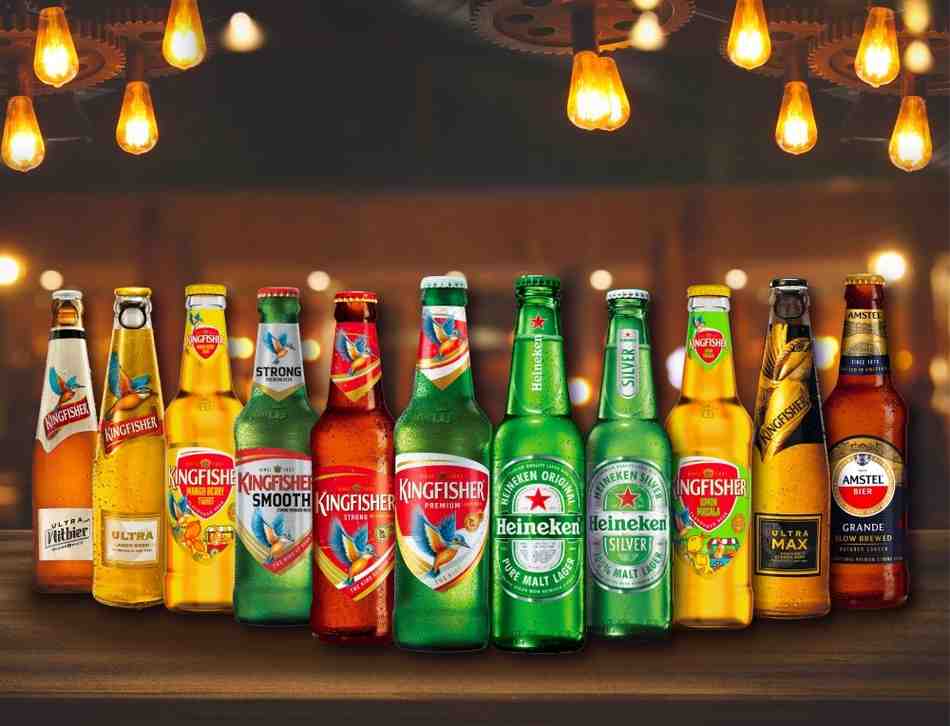
United Breweries (UBL) is sharpening its focus on beer. The company, placing a long-term bet on the category, has chalked out a comprehensive productivity and cost effectiveness programme, underlining UBL’s strategy to protect profitability while continuing to invest behind brand-building, capacity expansion and market development.
The move comes against the backdrop of an Indian beer market that remains structurally under-penetrated, offering significant headroom for growth, but one that is also constrained by high taxation, fragmented state-level regulations and affordability pressures on consumers.
A Challenging Market, But a Long-Term Opportunity
India’s beer sector presents a paradox. On the one hand, per capita consumption remains among the lowest globally, pointing to long-term consumption growth as incomes rise and preferences shift. On the other, breweries face a tough operating environment marked by volatile raw material prices, increasing logistics costs and uneven pricing freedoms across states.
Despite these challenges, United Breweries has continued to double down on India. Over the years, the company has expanded production capacity, strengthened its manufacturing footprint, launched new premium brands and flavours, and invested in policy advocacy and category expansion initiatives. This sustained capital commitment reflects UBL’s conviction that India will remain a core growth market over the long run.
Productivity Programme: From Cost Control to Operational Transformation
The newly approved productivity and cost Effectiveness programme marks a shift from incremental savings to a structural transformation of operations. According to the company, several initiatives under this programme have already been rolled out, signalling a proactive approach rather than a reactive cost-cutting exercise. At the heart of the programme is a renewed emphasis on operational excellence, aimed at optimising resource allocation, streamlining processes and ensuring cost discipline without compromising growth ambitions. The objective is clear: enhance competitiveness and profitability while navigating a market where consumer affordability remains under pressure.
Reorganisation to Match Evolving Business Needs
A key pillar of the transformation is the reorganisation of business functions. UBL is streamlining roles across sales, supply chain and allied functions to improve efficiency, while simultaneously creating focused teams in corporate affairs, customer service and logistics. This recalibration reflects the company’s attempt to align its organisational structure with changing market realities, including regulatory engagement, service quality and supply chain responsiveness—areas that are increasingly critical in India’s alcohol beverage sector.
Optimising the Brewery Network
Network optimisation is another central element of the programme. UBL’s strategy includes commissioning of a greenfield brewery in Uttar Pradesh, strengthening presence in a key growth market and the closure of the Mangalore plant, reflecting a sharper focus on operational efficiency. UBL will have strategic partnerships in priority markets to improve flexibility and cost management. In parallel, the company is localising the production of premium brands within states, a move aimed at enhancing supply chain resilience, reducing logistics costs and improving speed to market.
Sharper Portfolio Focus
UBL is also undertaking a detailed portfolio review, prioritising high-value and high-performing SKUs while rationalising underperforming products. The goal is to reduce complexity, improve asset utilisation and deliver a more consistent consumer experience across markets. For a category where distribution efficiency and shelf productivity are critical, portfolio rationalisation is expected to play a meaningful role in driving margins and operational clarity.
Cost Levers: From Bottles to Raw Materials
The cost optimisation plan spans multiple levers, including increased reuse of old bottles, reduction in logistics and freight costs, greater domestic sourcing of raw materials and targeted fixed-cost interventions across the organisation. Collectively, these measures are expected to deliver annualised savings of 3% to 6%, a meaningful margin buffer in an industry where pricing flexibility is often limited. Importantly, UBL has indicated that these savings will be reinvested into market growth and capability building, rather than simply dropping to the bottom line.
Balancing Affordability and Premiumisation
While the Indian beer market is seeing premiumisation trends in urban centres, affordability pressures remain a reality. UBL’s strategy reflects this duality – tightening costs and improving productivity on one side, while continuing to invest in brand-building, innovation and consumer engagement on the other. This balanced approach allows the company to defend volumes in mass segments while nurturing higher-margin premium offerings over time.
What It Signals for the Industry
UBL’s productivity drive highlights a broader shift underway in India’s beer industry. As regulatory and cost pressures intensify, scale players are increasingly focusing on efficiency-led growth, portfolio discipline and supply chain optimisation. For United Breweries, the programme reinforces its positioning as a long-term player willing to absorb near-term complexity in pursuit of sustained leadership in India’s beer category.
With the productivity and cost effectiveness programme now formally approved, investors and industry watchers will closely track execution and savings realisation. The company has committed to providing periodic updates as the programme progresses. In a market that rewards resilience as much as ambition, United Breweries’ latest move suggests that the next phase of growth in India’s beer industry will be driven not just by volumes, but by how efficiently companies operate within a challenging regulatory and cost environment.