


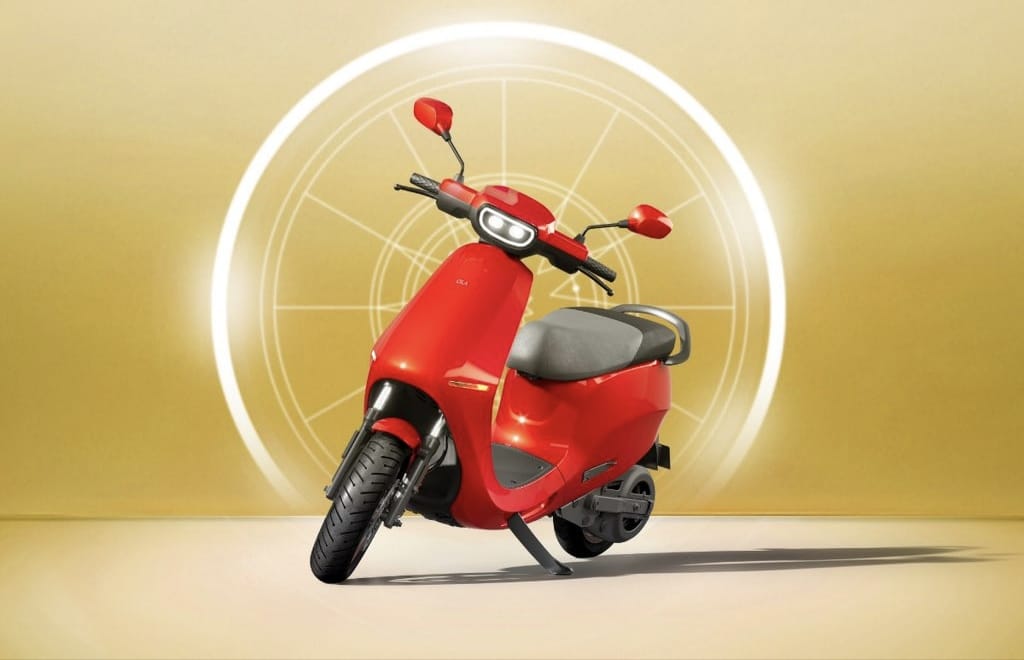
Ola Electric Mobility Ltd has outlined a conclusive strategic inflection point in its latest shareholders’ letter, positioning the company for its next phase of growth after completing one of the most capital-intensive build-outs in India’s electric vehicle industry. The company said it has invested ₹5,300 crore across manufacturing infrastructure, battery innovation and research and development, creating a deeply vertically integrated EV platform spanning motors, battery packs, cells, electronics, software and manufacturing.
According to the letter, the company’s heavy capital expenditure phase is now largely behind it, with the final phase of its Gigafactory scheduled for completion by March 26. Ola Electric’s current manufacturing footprint supports annual capacity of one million vehicles and 6 GWh of cell production. With this infrastructure in place, management said the focus is shifting from capacity creation to scaling revenues, targeting a potential revenue opportunity of ₹15,000–20,000 crore over the next few years.
On the technology front, Ola Electric highlighted that its ₹2,000 crore investment into R&D platforms has stabilised into a mature Gen3 architecture. This platform, the company said, delivers superior quality, improved unit economics and clear product differentiation. Multiple future products built on this architecture are already in advanced stages of development and will require limited incremental R&D spending. These products are expected to be launched in a phased manner once the business environment stabilises.
Alongside technology investments, the company has undertaken a comprehensive operating model reset aimed at restoring profitability discipline. Structural actions implemented during the year led to a reduction in operating expenditure to ₹484 crore in Q3 FY26. As these measures fully flow through, Ola Electric expects consolidated quarterly opex to settle in the ₹250–300 crore range over the next couple of quarters. The reset includes improved manufacturing yields, higher automation, enhanced workforce productivity, rationalisation of its physical retail network to around 700 stores, AI-led automation across back-office functions, and leaner corporate structures.
The company acknowledged that service execution gaps had impacted brand trust among prospective customers, while emphasising that these issues were related to service scale rather than product quality. An independent third-party survey cited in the letter showed approximately 90% overall product satisfaction and strong repurchase intent among existing customers. Warranty economics further reinforce this claim, with FY26 warranty provisions expected to be 2–3% of revenue, among the lowest in the Indian EV industry and competitive with global benchmarks.
To address service challenges, Ola Electric said it has strengthened operations through its Hyperservice initiative, improving parts availability, expanding technician hiring and training, tightening governance, and deploying AI-driven diagnostics and job card automation. These efforts have reduced service backlogs from 14 days in November to 7–8 days currently, with 80% of service tickets now being completed on the same day.
Q3 FY26, the company said, marks a structural reset. With service metrics stabilising, operating costs structurally lower, and internal cell integration beginning to flow into products, Ola Electric believes it is entering its next growth phase with improved operating leverage, lower breakeven levels and industry-leading gross margins. The focus now, the company said, is disciplined execution, scaling into existing capacity, and delivering sustainable long-term value.
December quarter earning performance
Ola Electric Mobility Ltd has narrowed the consolidated net loss to ₹487 crore in Q3FY26 from ₹564 crore in the year-ago period. The company’s consolidated revenue from operations in Q3FY26 declined to ₹470 crore from ₹1,045 crore.