


Sula Vineyards Ltd, India’s largest wine producer, reported a sharp decline in consolidated net profit for the December quarter at ₹9 crore, down from ₹28 crore in the year-ago period, primarily due to a one-time destocking exercise in Karnataka.
Revenue from operations fell 9.7% year-on-year to ₹196 crore. Excluding the impact of destocking, third-quarter revenue was largely flat compared with the corresponding period last year.
Founder and Chief Executive Officer Rajeev Samant described it as “probably the toughest quarter since listing” from both revenue and profitability standpoints.
During the quarter, the company undertook a tactical decision to destock in Karnataka, its second-largest market, to right-size channel inventory and strengthen working capital amid subdued demand through the fiscal year.
“Given the uncertain near-term outlook in that market, we took this difficult but conscious call to destock significantly. Following this action, we believe we are now at a comfortable level in terms of stocks across markets and do not anticipate any further material destocking,” Mr. Samant said.
He added that excluding the destocking impact, revenue in Q3 was broadly in line with last year. While the move weighed on performance, it positions the company for healthier and more sustainable growth in Karnataka as demand normalises in FY27, he said.
Encouragingly, Maharashtra, Sula’s largest market, has seen a demand recovery and a return to consistent single-digit growth in recent months. Telangana, the third-largest market, returned to double-digit growth after completion of the licence renewal process, with momentum expected to continue in Q4 and FY27.
The company also recorded healthy double-digit growth in markets such as Uttar Pradesh, Rajasthan and Goa, as well as in the CSD channel.
On the hospitality front, wine tourism revenue rose 34% year-on-year in Q3, marking a record quarter. The performance of the wine tourism business helped offset weakness in Own Brands during the period.
Chief Financial Officer Abhishek Kapoor said Karnataka’s share in Own Brands revenue declined by about 900 basis points year-on-year from 20% to 11% in Q3 FY26 due to the destocking exercise.
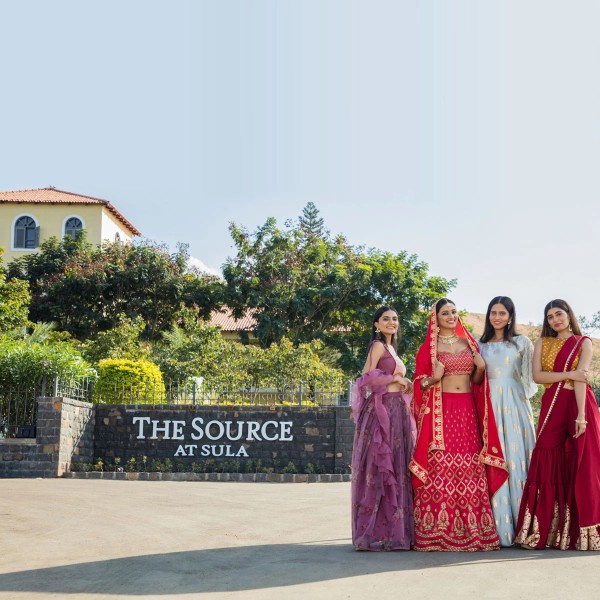
With the launch of its new resort, The Haven by Sula, the company added 50 rooms during the quarter — 30 in October and 20 in December. The Haven reported 63% occupancy in its first quarter. The Source saw occupancy rise to 88% from 83%, while Beyond improved to 80% from 78%.
Mr. Samant said revenue and profitability had “bottomed out” in Q3, with improved demand conditions across key markets, barring Bengaluru. The company is progressing on a new resort project in Nashik and remains optimistic of a recovery driven by a rebound in Own Brands and continued strong growth in wine tourism.