


India’s two-wheeler industry is expected to grow at 7-9% in fiscal 2027, taking volumes to the 29-million-unit mark. Domestic market, which remains the industry’s largest base, is likely to hold steady on improved affordability following Goods and Services Tax (GST) rates rationalisation, while exports are set to outpace the home market for the third consecutive year.
Revenue is expected to grow at a steady pace, largely volume-led with incremental support from premiumisation, and this should help sustain operating margins as operating leverage is likely to offset elevated commodity costs. Sustained profitability will help generate healthy internal accruals, enabling planned capital expenditure while keeping leverage low and credit profiles resilient, says a Crisil Ratings study.
An analysis of six original equipment manufacturers (OEMs), which account for nearly 95% of industry volume, indicates as much. Domestic sales continue to anchor industry growth, contributing almost 80% of the total volume.
Fiscal 2026 has been a tale of two halves for the industry. In the first half, volume remained flat amid weak sentiment. However, sales accelerated from September following the GST rate cut, which lowered prices by 7-8%. Rural demand improved on the back of a healthy kharif crop and rising farm income, while urban demand strengthened after the tax revision. Soft interest rates and easing inflation have also been demand tailwinds.
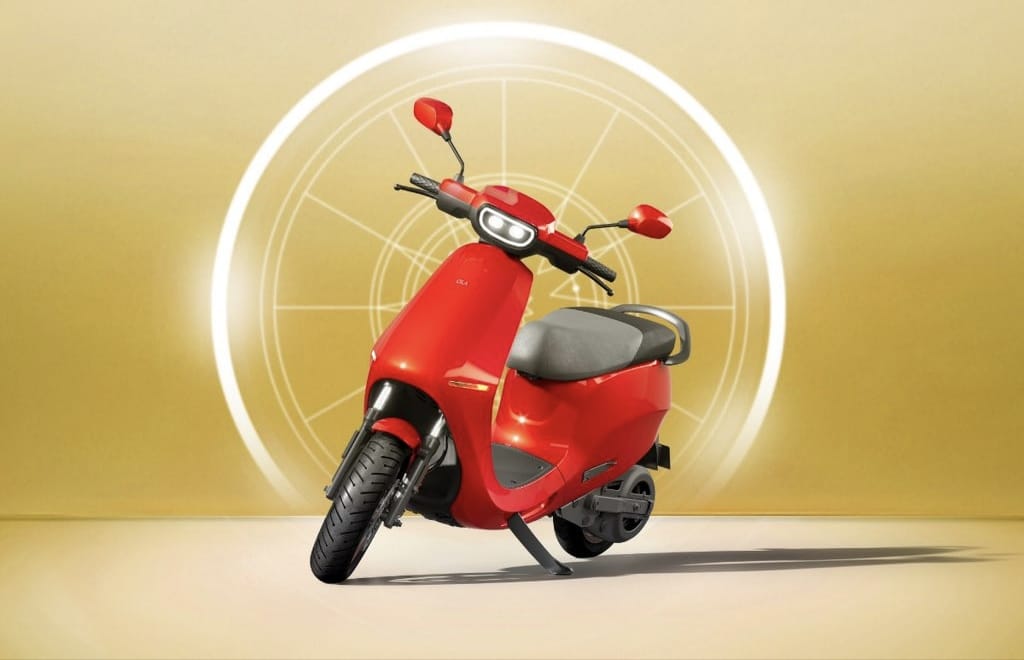
Crisil Ratings senior director Anuj Sethi says: “Motorcycles, which account for about 60% of domestic volumes and remain the largest segment, are likely to see mid-single-digit growth, reflecting a mature commuter base and stable rural demand. Incremental growth is expected to come from scooters, early double-digit overall and mid teens for e-scooters, driven by rising urban usage, increasing female participation, and expanding last-mile mobility needs, thereby gaining share in the overall mix.”
Motorcycles have seen strong recovery following GST rationalisation. While entry-level models up to 125cc continue to dominate, with a share of 73%, demand is gradually shifting towards the 150-350cc range. The share of these higher capacity models has risen from 23% in fiscal 2025 to 25% this fiscal, reflecting improving affordability and ongoing premiumisation. Beyond this, the premium segment remains a small part of the overall mix. Complementing domestic growth, exports continue to provide incremental support, contributing 20% of overall volume.
Crisil Ratings director Poonam Upadhyay says: “Two-wheeler exports are expected to remain a strong growth driver. Volume is likely to rise 21-23% this fiscal and sustain mid-to-high teen growth in fiscal 2027, reflecting steady traction in overseas markets. Latin America, Africa and South Asia, together accounting for nearly 90% of export volume, are expected to anchor this expansion as demand conditions remain stable. “
Strong export growth and steady domestic demand, including rising traction for higher-capacity motorcycles, are expected to drive 10-12% revenue growth next fiscal (after an expected 15-17% growth this fiscal). This momentum is expected to support operating leverage, enabling margins to sustain at 16% across this fiscal and the next, levels regained in fiscal 2025 after nearly a decade, despite elevated costs of commodities such as aluminium and steel.