


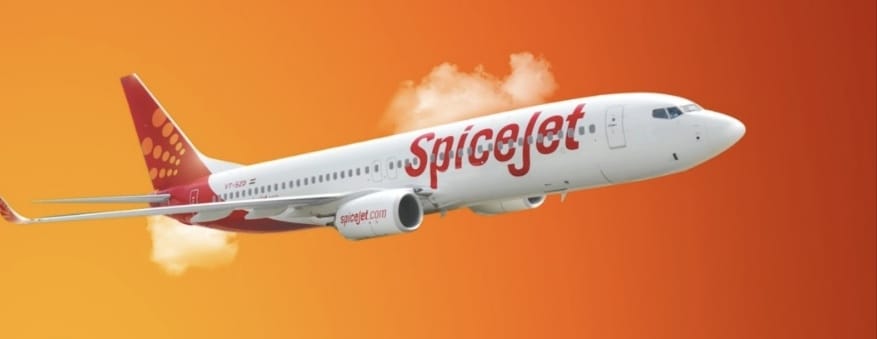
SpiceJet has received a memorandum of understanding (MoU) for the induction of 10 aircraft, marking a major step in its ongoing fleet expansion and network rebuilding strategy.
The development comes days after the airline’s board approved a measured ramp-up plan to scale the fleet to 60 aircraft through a mix of wet and damp leases, alongside the phased return of grounded aircraft. The airline’s recovery drive has gathered pace in recent months, with management indicating that operational momentum is steadily improving.
In the December quarter, SpiceJet doubled its capacity, with Available Seat Kilometres (ASKMs) rising sharply from around 55 crore to 105 crore. Building on this trajectory, the airline now aims to more than double capacity over the course of the year, targeting 220 crore ASKMs by Winter 2026 and operating over 300 daily flights across its network.
The expansion plan is designed to strengthen connectivity, enhance operational reliability and tap into robust passenger demand, while maintaining financial discipline.
Debojo Maharshi, chief business officer, said doubling capacity in the last quarter marked a significant milestone, and the airline’s plans to scale further reflect renewed confidence in demand trends and the business outlook. He added that the MoU for additional aircraft supports the company’s measured and structured rebuilding strategy, with a focus on restoring capacity and improving reliability for passengers.
Financially, the airline reported a standalone net loss of ₹269 crore for Q3 FY26, compared with a profit of ₹25 crore in the year-ago quarter. However, the performance reflects a sharp sequential improvement, with losses more than halving from ₹633 crore in Q2 FY26, an indication of early traction from operational recovery initiatives amid prolonged financial stress.
Revenue from operations rose 12.4% year-on-year to ₹1,384 crore, supported by improved fleet availability, higher passenger volumes and expanded connectivity. Passenger traffic surged sequentially, with the airline carrying 1.9 million passengers during the quarter, up from 1.1 million in the September quarter — a 77% increase as grounded aircraft returned to service and wet-leased capacity was inducted.
SpiceJet said it will continue to pursue a balanced growth strategy, combining fleet restoration with selective capacity additions, as it works towards strengthening its network footprint and improving long-term sustainability.