


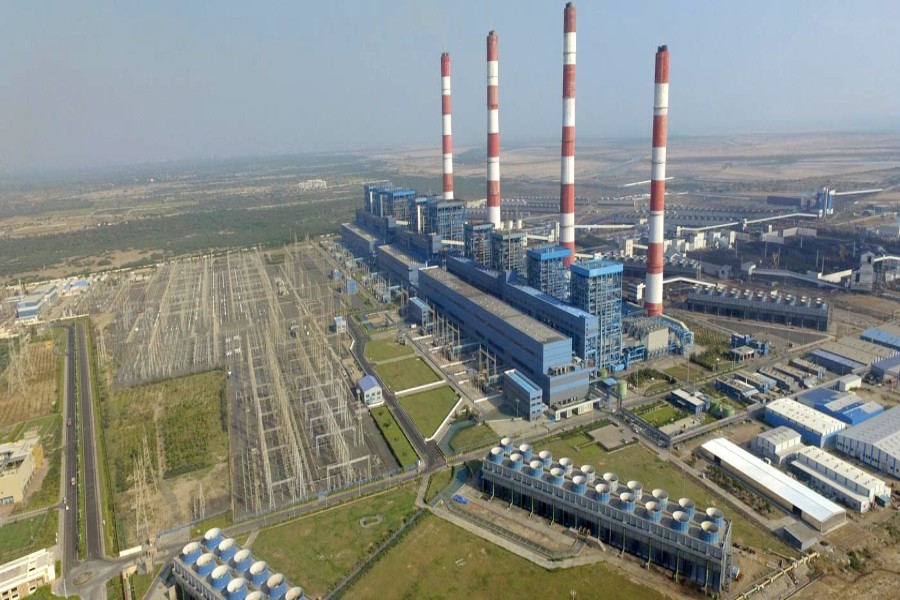
Adani Power has secured a fresh medium-term power supply contract in Tamil Nadu, further strengthening its revenue visibility, with its subsidiary Moxie Power Generation Ltd receiving a Letter of Award (LoA) for 558 MW of power supply.
The LoA has been awarded by Tamil Nadu Power Distribution Corporation Limited (TNPDCL) for supply of 558 MW (net) over a five-year period, beginning April 1, 2026.
Competitive Bid Win
Moxie Power, which operates a 1,200 MW (2×600 MW) thermal power plant in Tuticorin, Tamil Nadu, emerged as the lowest bidder in a closely contested tender by quoting a tariff of ₹5.91 per unit.
With this contract, both units of the Tuticorin plant are now backed by power supply agreements (PSAs), enhancing capacity utilisation and revenue certainty.
The latest win also pushes Adani Power’s overall contracted portfolio higher, with over 95% of its total operational capacity now tied up under medium- to long-term power purchase agreements (PPAs). This significantly reduces exposure to merchant power market volatility and provides predictable cash flows.
Near-Total PPA Tie-Ups Targeted
The company said it is working towards achieving nearly 100% PPA tie-ups for all operational and under-construction plants over the coming years. The strategy is aimed at ensuring long-term revenue stability while supporting India’s growing power demand.
For Tamil Nadu, the agreement is expected to strengthen grid reliability and ensure uninterrupted electricity supply to households, businesses and industries. Securing supply at a competitive tariff is also expected to benefit consumers through more affordable and dependable energy.
Expansive Generation Footprint
Adani Power, part of the Adani portfolio, is India’s largest private thermal power producer with an installed capacity of 18,110 MW across 12 power plants in Gujarat, Maharashtra, Karnataka, Rajasthan, Chhattisgarh, Madhya Pradesh, Jharkhand and Tamil Nadu. The company also operates a 40 MW solar power plant in Gujarat. The latest contract reinforces the company’s strategy of locking in medium- and long-term power supply agreements, even as states continue to firm up capacity to meet rising industrial and residential electricity demand.