


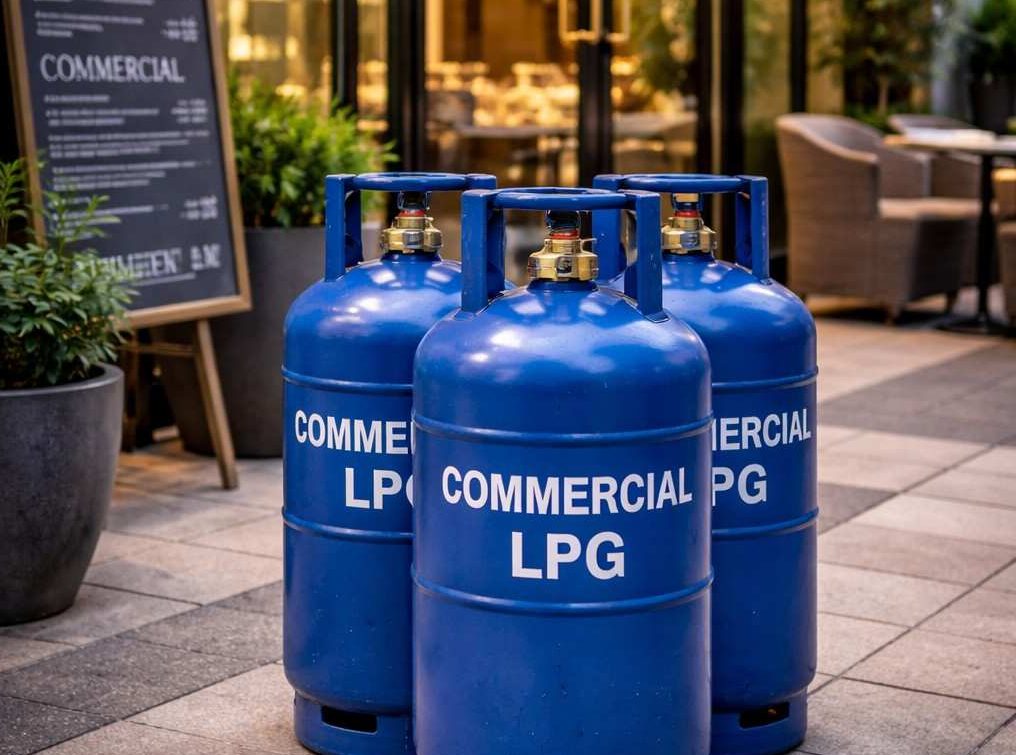
After bringing in normalcy in delivery of domestic LPG cylinders, the government has now stepped up efforts to improve the supply of commercial LPG which had been curtailed earlier.
This move is aimed at supporting businesses reduce operational costs, and enhance energy security across sectors such as hospitality, manufacturing and small enterprises.
In view of the evolving situation in West Asia, the Centre claimed that it continues to take proactive steps to ensure preparedness and response across critical sectors, according to a communication from the government.
Commercial LPG Supply Eased
The government has already restored 20% of commercial LPG supply to consumers. Building on this, the government, through its letter dated March 18, 2026, proposed an additional 10% allocation to States and Union Territories, linked to progress in ease of doing business reforms, particularly in the expansion of piped natural gas (PNG) networks.
Further strengthening supply, the government via its communication dated March 21, 2026, approved another 20% allocation of commercial LPG, taking the total allocation to 50%, including the 10% tied to PNG-related reforms.
Addition Allocations For Key Sectors
This additional allocation is being prioritised for key sectors such as restaurants, dhabas, hotels, industrial canteens, food processing and dairy units, subsidised canteens run by state governments or local bodies, community kitchens, and 5 kg free trade LPG cylinders for migrant labourers.
So far, 20 states and Union territories have issued orders aligning non-domestic LPG allocation with central guidelines. In other regions, public sector oil marketing companies are continuing to supply commercial LPG cylinders. Notably, around 15,440 metric tonnes of LPG have been uplifted by commercial entities across states and UTs over the past eight days.
Policy Push For Efficiency
In a significant move, authorities are focusing on streamlining the supply chain, enhancing storage and distribution infrastructure, and promoting the adoption of energy-efficient LPG solutions. The initiative is designed to ensure uninterrupted availability while minimising wastage and improving cost-effectiveness for commercial users.
Relief For Businesses
Commercial LPG plays a critical role for restaurants, hotels, street vendors, and small-scale industries. With improved logistics and better pricing mechanisms, businesses are expected to benefit from more stable supply and potentially lower fuel expenses. This comes as a timely relief amid fluctuating energy costs and inflationary pressures impacting operational margins.
Focus On Clean Energy Transition
The push also aligns with India’s broader clean energy goals. LPG, being a relatively cleaner fossil fuel compared to traditional alternatives like coal and kerosene, supports the transition toward lower carbon emissions. The government’s emphasis on efficient usage further strengthens sustainability outcomes while maintaining industrial productivity.
Technology And Infrastructure Upgrade
Efforts are underway to modernise bottling plants, introduce smart monitoring systems, and deploy advanced safety mechanisms across the LPG distribution network. Digitization initiatives are also being encouraged to track consumption patterns and improve delivery efficiency, ensuring transparency and reliability.