


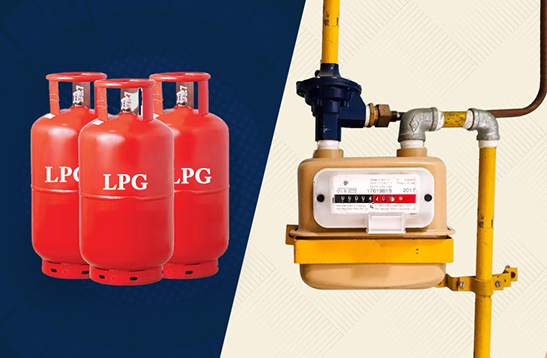
In view of the continued closure of the Strait of Hormuz, the Indian government on March 29 stated that it is undertaking proactive measures to ensure the uninterrupted availability of petroleum products and LPG across the country.
All refineries are currently operating at high capacity, supported by adequate crude inventories. The country is also maintaining sufficient stocks of petrol and diesel to meet domestic demand. Additionally, domestic LPG production from refineries has been ramped up to support consumption needs. Retail outlets across the country are functioning normally, according to an official communication from the Centre.
Fiscal and policy interventions
To safeguard domestic availability, the government has reduced excise duty on petrol and diesel by ₹10 per litre. It has also imposed an export levy of ₹21.5 per litre on diesel and ₹29.5 per litre on aviation turbine fuel (ATF), aimed at ensuring adequate supplies in the domestic market.
Panic buying limited to isolated incidents
The government acknowledged instances of panic buying in certain regions, triggered by rumours. This led to unusually high sales and crowding at select retail outlets in a few states. However, authorities have reiterated that there are adequate stocks of petrol and diesel at all fuel stations nationwide and urged citizens to avoid unnecessary panic purchases.
Natural gas supply prioritisation
The government has prioritised natural gas supplies to critical segments. Domestic PNG (D-PNG) consumers and CNG transport segments are receiving 100% of their required supplies.
Industrial and commercial consumers connected to the grid are currently receiving around 80% of their average consumption. City Gas Distribution (CGD) entities have been advised to prioritise PNG connections for commercial establishments such as restaurants, hotels and canteens to address concerns around commercial LPG availability.
Supply to operational urea plants has stabilised at approximately 70–75% of their average consumption over the past six months. Additional LNG cargoes and regasified LNG (RLNG) are being sourced to maintain supply levels and pipeline operations.
Industrial consumers, including fertiliser plants, have been advised to communicate any additional spot requirements so that gas marketing companies can make necessary arrangements.
Expansion of city gas network
CGD companies such as IGL, MGL, GAIL Gas and BPCL are offering incentives to encourage adoption of domestic and commercial PNG connections. The Government of India has also urged states, union territories and central ministries to expedite approvals required for expanding CGD infrastructure.
During March, more than 2.9 lakh connections, including domestic, commercial, hostels, messes and canteens, were gasified.
Additional government measures
Despite the ongoing geopolitical situation, the government has accorded the highest priority to domestic LPG and PNG supplies, along with critical sectors such as hospitals and educational institutions.
Several demand- and supply-side rationalisation measures have already been implemented, including enhanced refinery output, increased LPG booking intervals (from 21 to 25 days in urban areas and up to 45 days in rural areas), and sector-wise prioritisation of supply.
Alternate fuel options such as kerosene and coal are also being promoted to ease pressure on LPG demand. The Ministry of Coal has directed Coal India and Singareni Collieries to allocate higher quantities of coal to states for distribution to small and medium consumers.
Public advisory
Citizens are advised to consider alternate fuels such as PNG and electric or induction cooktops where feasible. In the current situation, the government has also urged the public to adopt energy conservation practices in their daily consumption.