


Odysse Electric Vehicles, one of India’s fastest-growing premium electric two-wheeler producers, has reported its highest-ever monthly performance, recording total sales of 1,350 units in March 2026.
This marks a notable increase from 1,127 units sold in February 2026 and reflects a strong year-on-year growth of approximately 137% compared to 569 units in March 2025.
Growth driven by rising EV adoption and market expansion
Odysse Electric CEO Nemin Vora said, “The strong growth momentum in March is a testament to our consistent efforts to expand market presence and deliver reliable, high-performance electric mobility solutions. As demand continues to grow, we remain focused on strengthening our network, enhancing customer experience, and introducing innovative products tailored to Indian consumers.”
Diverse portfolio catering to multiple mobility segments
Odysse Electric Vehicles offers a broad and evolving portfolio of electric two-wheelers catering to both urban commuters and performance-oriented riders. Its lineup includes electric scooters such as Hy-Fy, Racer Neo, Sun, Trot 2.0, Snap, and Hawk Li, spanning low-speed and high-speed segments designed for daily commuting, last-mile connectivity, and fleet applications.
Expansion into premium electric motorcycle space
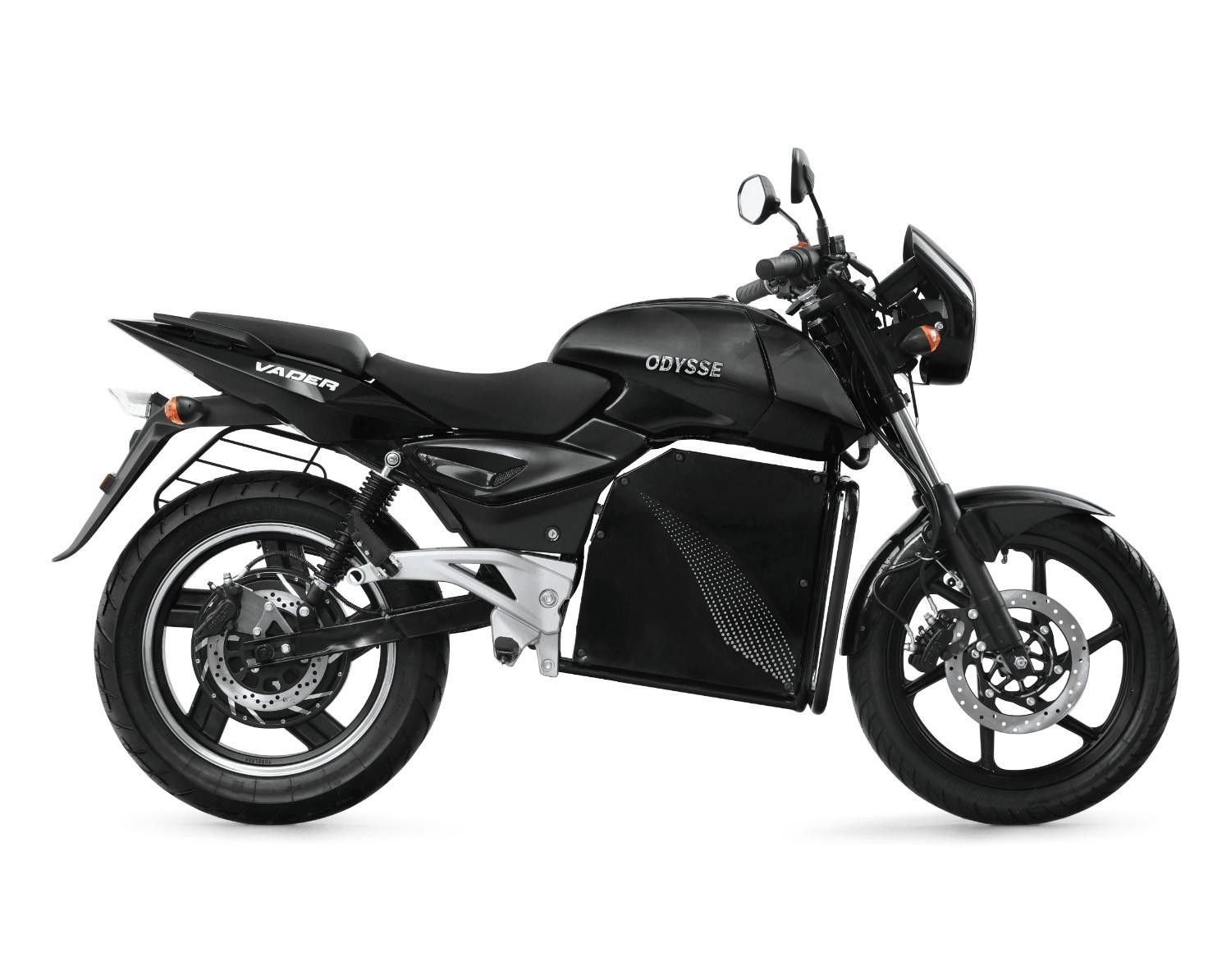
The company has also expanded into the premium category with electric motorcycles such as Evoqis and Vader, targeting customers seeking higher performance and extended range.
With offerings across various price points, battery configurations, and use cases, including IoT-enabled features and battery-swapping technology, Odysse is addressing both B2C and B2B mobility needs across urban and semi-urban markets.
Battery-swapping partnership to enhance accessibility
Odysse Electric has entered into a strategic partnership with Indofast Energy, a joint venture between Indian Oil Corporation and SUN Mobility, to integrate advanced battery-swapping technology across its product lineup, beginning with the Snap and Hy-Fy scooters.
This collaboration enables a Battery-as-a-Service (BaaS) model, significantly reducing upfront vehicle costs while eliminating range anxiety and long charging times for users.