


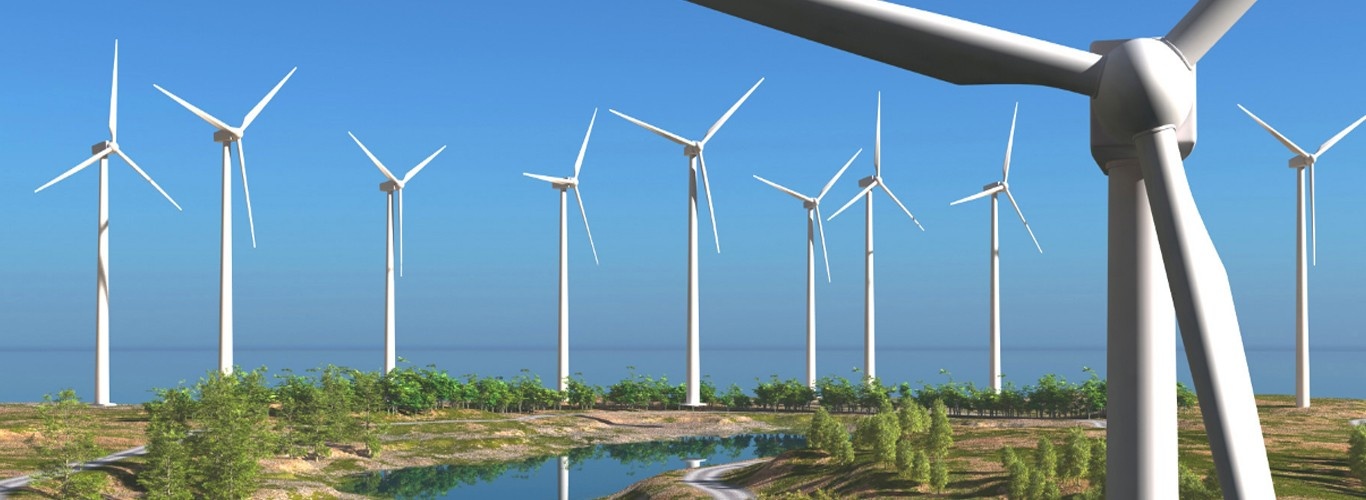
India achieved its highest-ever annual wind capacity addition of 6.05 GW during FY26, surpassing the previous landmark of 5.5 GW recorded in FY17.
This also represents an increase of nearly 46% over FY 2024–25, marking a decisive acceleration in India’s onshore wind deployment trajectory.
Cumulative capacity crosses 56 GW
With this addition, India’s cumulative installed wind power capacity has crossed 56 GW. This milestone reflects renewed momentum in the sector, driven by improved policy clarity, transmission readiness, competitive tariff discovery and a strong project pipeline.
Policy push and state-level momentum
This achievement is the result of sustained policy support, improved project execution, and greater pipeline maturity across key wind-rich states.
States such as Gujarat, Karnataka, and Maharashtra have been the primary contributors to capacity addition during the year, underpinned by a growing pipeline of wind-solar hybrid projects and the progressive rollout of green energy open access.
Government initiatives strengthening the sector
India’s wind energy sector has grown steadily, making the country one of the leading wind energy markets globally. The government has undertaken several initiatives to promote the sector, including concessional customs duty on key components and raw materials used in wind turbine manufacturing and graded waiver of inter-state transmission system (ISTS) charges until June 2028.
Besides these, there are competitive bidding mechanisms, separate wind renewable consumption obligation (RCO) frameworks and technical support from the National Institute of Wind Energy.
Contribution to renewable energy targets
The record addition significantly strengthens India’s renewable energy portfolio and contributes to achieving the national target of 500 GW of non-fossil fuel-based energy capacity by 2030.
Three decades of wind energy growth
India’s wind energy programme was initiated in the early 1990s as part of the government’s broader renewable energy strategy. Over the past three decades, the country has developed a strong wind energy ecosystem and a robust policy framework to promote grid-connected wind power projects.