


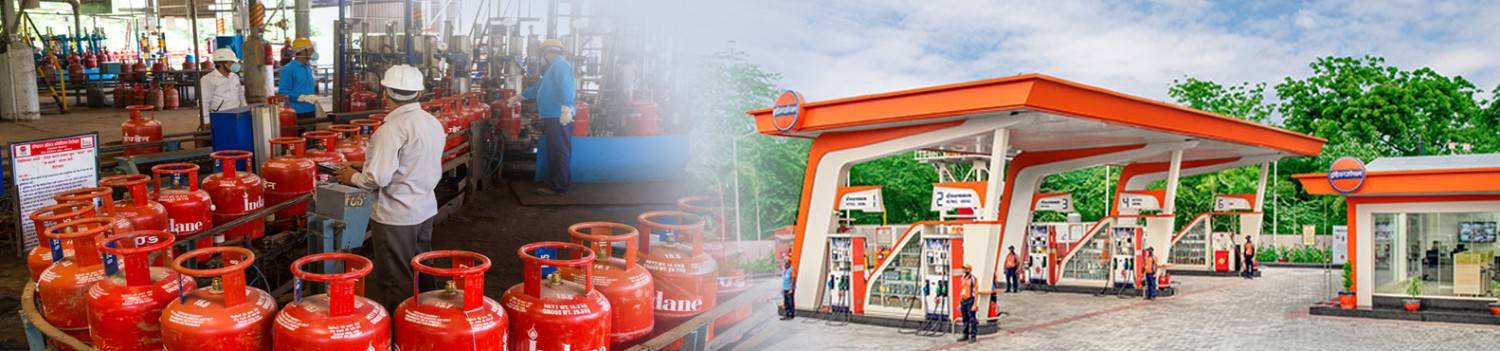
Ministry of Petroleum and Natural Gas (MoPNG) has issued an order to ensure continued and stable availability of Liquefied Petroleum Gas (LPG) for industrial consumption amid evolving global supply conditions.
Calibrated allocation framework
In a communication to Secretaries of the Government of India and Chief Secretaries of States and Union Territories, Neeraj Mittal said industrial units across sectors such as pharmaceuticals, food processing, polymers, agriculture, packaging, paints, metals, ceramics, glass and others will receive 70% of their pre-March 2026 bulk LPG consumption.
This allocation will be subject to an overall sectoral ceiling of 0.2 TMT per day. An additional 10% allocation will be linked to progress in adopting Piped Natural Gas (PNG) infrastructure, reflecting a calibrated transition strategy.
Priority for critical industries
The Ministry clarified that industries where LPG is a critical and non-substitutable input in manufacturing will be accorded priority in allocation.
For such sectors, the requirement to apply for PNG connectivity has been waived to ensure uninterrupted operations, while maintaining compliance with broader policy objectives.
Push towards alternative fuels
The directive distinguishes between industries that use LPG as a fuel, where transition to PNG is feasible, and those where LPG is integral to the manufacturing process.
This approach seeks to balance immediate supply stability with long-term energy transition goals.
Government stance amid global volatility
Narendra Modi and Hardeep Singh Puri have emphasised the importance of maintaining stable domestic LPG supplies despite volatility in global markets, particularly due to geopolitical tensions in West Asia.
To cushion the impact, the government has opted to absorb rising costs through Oil Marketing Companies (OMCs) and increased domestic production, rather than fully passing on the burden to consumers.
Import challenges
India imports around 60% of its LPG requirements, with nearly 90% transiting through the Strait of Hormuz. Supply disruptions have significantly impacted imports, which declined from 2.04 million tonnes in February to 1.12 million tonnes in March, a drop of 45% within a month.
Outlook
The policy underscores the government’s focus on ensuring supply stability for key industries while nudging a gradual shift towards cleaner and more sustainable fuel alternatives.