

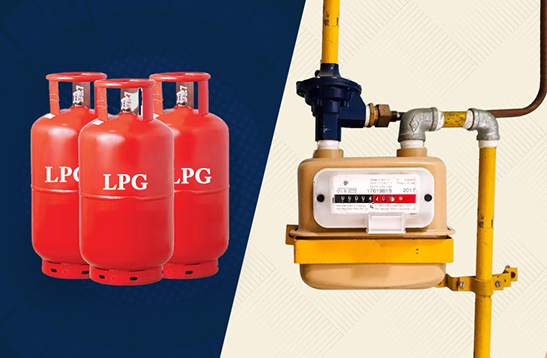
The Petroleum and Natural Gas Regulatory Board (PNGRB) has kicked off a large-scale bidding process to develop Liquefied Petroleum Gas (LPG) pipeline infrastructure, in a decisive move to phase out bulk LPG transportation by road.
Strengthening safety, efficiency and supply security
The proposed pipeline network is aimed at enhancing the reliability, safety and efficiency of LPG transportation across the country. By shifting bulk movement from road tankers to pipelines, the project seeks to reduce accident risks while ensuring more dependable and uninterrupted supply. The pipelines are also expected to serve as strategic storage buffers during periods of high demand or supply disruptions, strengthening overall energy security.
Seamless connectivity across supply chain
Designed to connect key supply points such as refineries and import terminals with LPG bottling plants, the pipelines will enable seamless evacuation and distribution across multiple regions. This integrated network is expected to significantly improve supply chain efficiency by enabling high-volume movement with lower transit time and minimal losses.
Nine projects identified, bidding underway
As part of the initiative, PNGRB has identified nine LPG pipeline projects and initiated a suo motu bidding process. The regulator is currently in the final stages of concluding bids for four key pipelines, Cherlapally–Nagpur, Shikrapur–Hubli–Goa, Paradip–Raipur, and Jhansi–Sitarganj. Together, these projects span a cumulative length of approximately 2,500 km, underlining the scale and strategic importance of the rollout. These initiatives are expected to attract investments of around ₹12,500 crore, marking a significant step towards modernising India’s energy logistics network.
Driving sustainability and economic gains
Beyond operational efficiency, the shift to pipeline-based transportation is expected to significantly reduce greenhouse gas emissions, aligning with India’s climate commitments. The initiative also offers long-term economic advantages by lowering transportation costs compared to road-based logistics, while attracting investments, generating employment, and supporting regional development.
Aligned with 2030 vision
PNGRB’s broader vision is to eliminate bulk LPG movement by road by 2030, replacing it with a safer and more sustainable pipeline-based system. The initiative reinforces the regulator’s commitment to building a resilient, future-ready energy infrastructure and advancing the adoption of cleaner fuels, in line with India’s long-term energy and sustainability goals.