


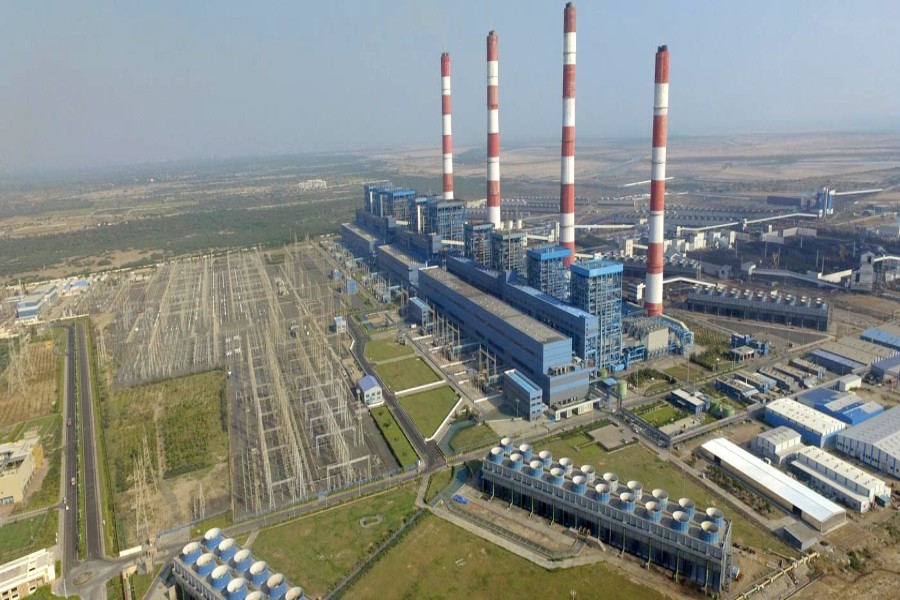
Despite the West Asia conflict and global uncertainties, India’s infrastructure growth story continues to move resolutely towards the Viksit Bharat vision, with tailwinds across sectors.
Expanding investment landscape
From clean energy diversification (renewables) and logistical debottlenecking (roads), the story is expanding into digitalisation (data centres, smart meters) and decarbonisation (green hydrogen, batteries). This investment momentum will support real estate growth, driving healthy commercial absorption and steady residential demand, according to Crisil Ratings.
Challenges and support factors
Growth will face hurdles, delayed offtake and transmission gaps in renewables, slower road project awards, elevated residential prices, and softer IT-led office demand. However, strong government policy support and healthy balance sheets are expected to sustain momentum.
Investment outlook
Crisil Ratings Chief Ratings Officer Krishnan Sitaraman said key infrastructure sectors account for about half of India’s total infrastructure investments and strongly support GDP growth. While indirect inflationary pressures may arise if the West Asia conflict persists, investment growth is expected to remain robust at 45–50% over the current and next fiscals, taking total investments to around Rs 23–24 lakh crore.
Renewables and energy transition
Renewable energy, central to the infrastructure story, is on track to add 50–55 GW annually over the next two fiscals, supported by a strong pipeline and policy push for round-the-clock power, including battery storage expansion. Rooftop solar adoption under PM Surya Ghar Yojana and favourable open access policies are further accelerating growth.
Digital and decarbonisation drivers
Data centre capacity is projected to grow 35–40% annually through fiscal 2028, driven by rising AI and cloud adoption. Simultaneously, decarbonisation needs and volatile natural gas markets are expected to catalyse green hydrogen development.
Roads and asset monetisation
The road sector is likely to see a gradual revival in project awarding, aided by higher budgetary allocation and faster approvals. Asset monetisation is also set to gain traction, with Rs 70,000–80,000 crore worth of assets expected to be monetised by the National Highways Authority of India.
Real estate trends
Real estate is witnessing mixed trends. Residential demand is expected to remain flattish due to elevated prices, albeit on a high base. In contrast, commercial office demand is growing at 6–7%, supported by flexible workspaces, BFSI, and GCC demand, leading to declining vacancies.
Risks across sectors
Challenges remain. Renewable projects face transmission and offtake gaps, roads may see slower order inflows, and real estate could face rising inventories and weaker IT-led leasing. New-age sectors also face risks—pricing pressure in data centres, execution delays in smart meters, and import competition in batteries and green hydrogen.
Credit outlook
Crisil Ratings Deputy Chief Ratings Officer Manish Gupta noted that strong execution capabilities, stable cash flows, and prudent leverage will support credit profiles. While established sectors remain well-funded, newer sectors may require higher equity support. Overall, infrastructure players are expected to maintain resilient credit metrics, though timely execution and prudent leverage will be critical amid ongoing uncertainties.