


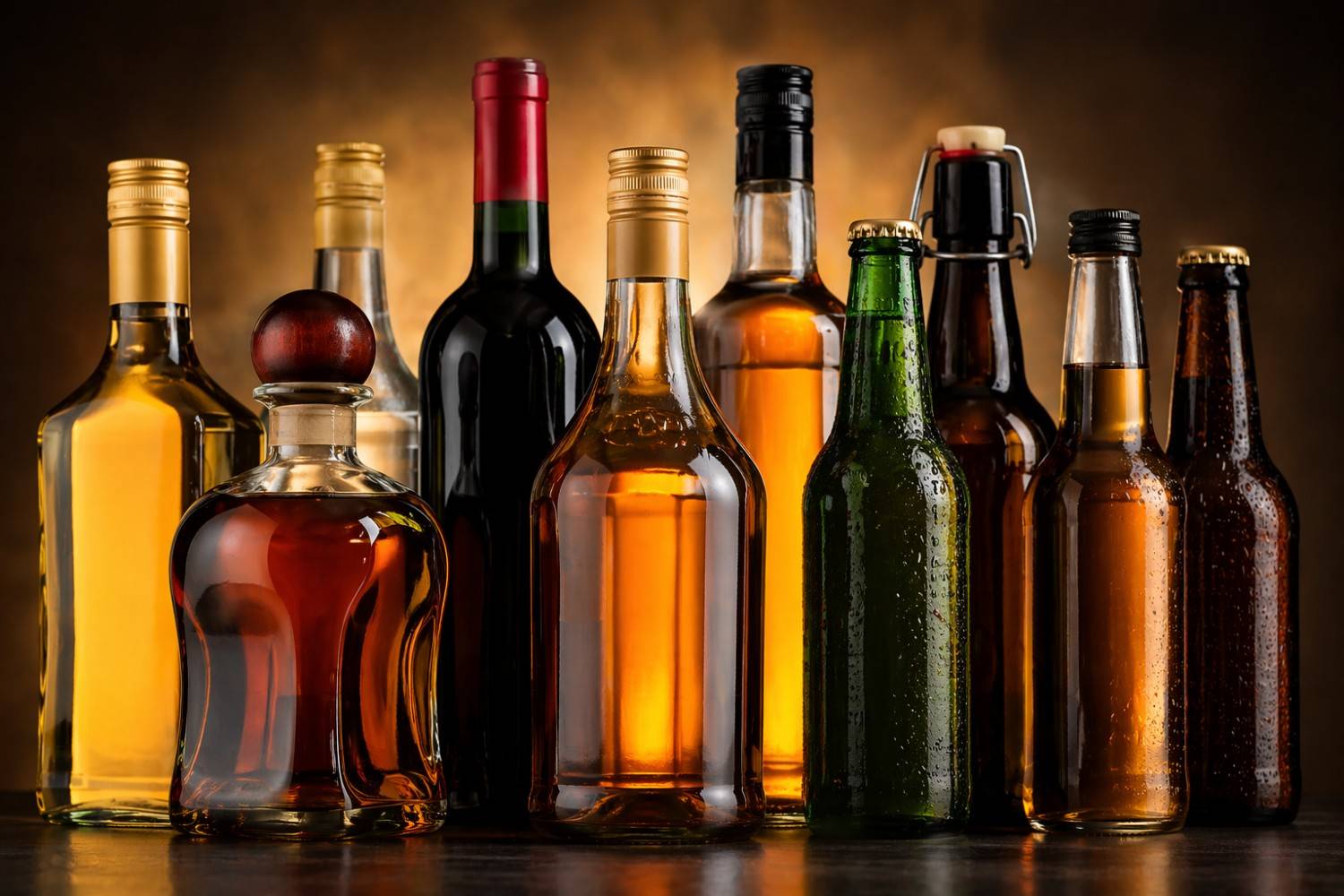
India’s alcoholic beverage (alcobev) industry has headed to tighter fiscal, with operating margins expected to shrink by 150–200 basis points (bps). The trigger is not demand weakness, but an acute rise in packaging costs, particularly glass bottles, amid supply-chain disruptions linked to the ongoing West Asia conflict.
As a result, earnings before interest, taxes, depreciation and amortisation (Ebitda) margins are projected to soften to around 11.5–12% this fiscal, says a Crisil Ratings report.
Growth losing fizz
Revenue growth, which had been robust at an 11% CAGR over the past three fiscals, is now expected to moderate sharply to 5–7%. The slowdown is largely attributed to bottle availability constraints, which are disrupting production cycles and limiting the industry’s ability to fully capitalise on steady consumption demand.
The glass bottle bottleneck
At the heart of the issue lies a severe shortage of glass bottles. Spirits and beer together account for more than 95% of the alcobev market, making packaging a critical cost component.
For beer manufacturers, packaging costs form nearly 35% of net revenues, while for spirits, the figure stands at about 25%. Notably, glass bottles alone account for nearly two-thirds of this cost.
The West Asia crisis has disrupted the supply of liquefied natural gas (LNG), a key input for glass manufacturing. In response, glass bottle producers have curtailed output by an estimated 35–40%, creating a ripple effect across industries and driving up prices.
Cost escalation with limited pricing power
The cost of glass bottles is expected to rise by around 20% this fiscal, reaching ₹280–300 per case. However, the highly regulated nature of the alcobev sector limits manufacturers’ ability to pass on these cost increases to consumers through price hikes.
As a result, margin pressures are expected to vary across segments. The spirits segment may see a contraction of 140–180 bps, while the beer segment—more packaging-intensive, could face a sharper impact of 250–300 bps.
Inventory drawdown offers short-term relief
Interestingly, the ongoing disruption has also led to a gradual decline in packaging inventory levels. Typically, alcobev companies maintain 50–60 days of packaging inventory as a buffer. This is now expected to drop to 20–30 days.
While this reduction frees up working capital and offers temporary liquidity relief, it also leaves companies more vulnerable to prolonged supply disruptions. If the situation persists, it could tighten supplies further and complicate procurement strategies.
Balance sheets remain resilient
Despite the near-term pressures on margins and cash flows, the industry’s financial health remains stable. Even with debt-funded capital expenditure plans, companies are expected to maintain prudent leverage levels. The interest coverage ratio is projected to remain comfortable at 6.8 times, while the ratio of total outside liabilities to tangible net worth is likely to stay contained at 0.75 times.
Watch factors ahead
The road ahead for the alcobev sector will depend on multiple variables: the trajectory of the West Asia conflict, potential regulatory changes around excise duties, and volatility in input costs.
While demand fundamentals remain intact, the industry’s near-term performance will hinge on how quickly supply chains stabilise and whether pricing flexibility improves.
For now, the message is clear—India’s alcobev makers are not running short of demand, but they are certainly running short of bottles.