


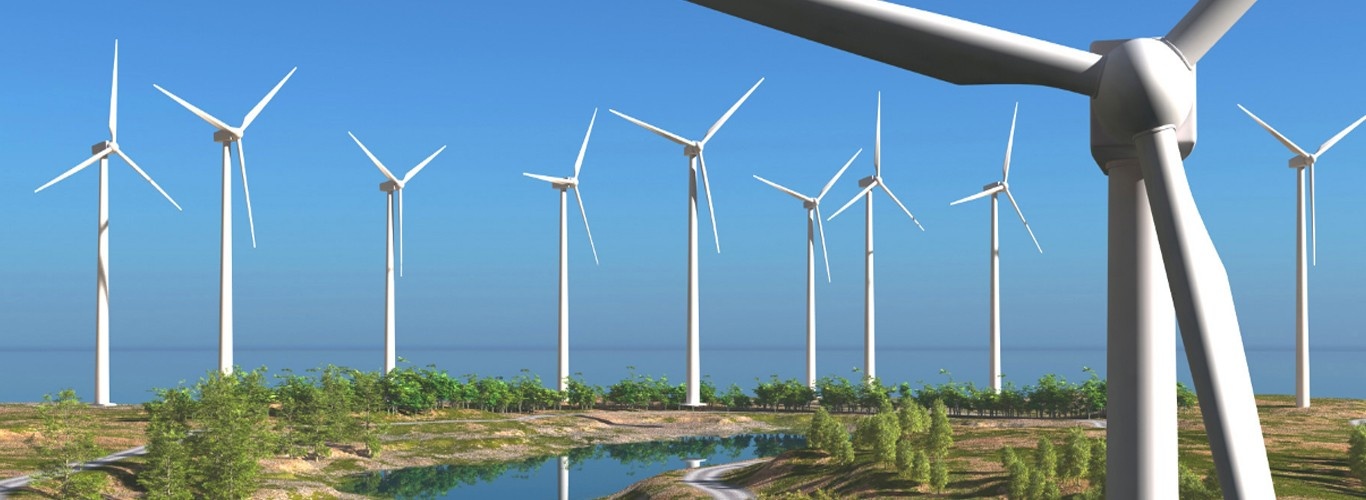
India has recorded its best-ever year in wind energy capacity addition, with a historic 6.1 GW added during FY26. The country currently ranks fourth globally in wind energy, with over 56.1 GW of installed capacity and an additional 28 GW under implementation.
Growth outlook and targets
Union Minister for New and Renewable Energy Pralhad Joshi said India’s wind energy potential at 150 metres hub height is estimated at nearly 1,164 GW. He expressed confidence that, with sustained efforts, the country will achieve 100 GW of wind capacity by 2030 and 156 GW by 2036, contributing significantly to the net-zero target by 2070.
Role in energy stability
Wind energy plays a critical role in stabilising India’s energy system, particularly due to its peak generation during evening and night hours, which aligns with high demand periods. Nearly 45% of wind power generation occurs during peak demand hours, making it a vital complement to solar energy.
Policy push strengthens sector
The government has introduced a dedicated wind component under renewable purchase obligations to ensure sustained demand. Measures such as enforcement of late payment surcharge rules, transparent bidding guidelines, and the implementation of the approved list of models and manufacturers (ALMM) are strengthening investor confidence and promoting domestic manufacturing.
Strong manufacturing base
India has developed a robust domestic manufacturing ecosystem, with an annual capacity exceeding 24 GW and indigenisation levels of 70–80%. The country also has strong supply chain capabilities across blades, towers, gearboxes, and other critical components.
Focus on tenders and grid efficiency
The government is actively examining the release of additional wind tenders, while also promoting hybrid and round-the-clock (RTC) projects for enhanced grid efficiency. Issues related to the deviation settlement mechanism (DSM) penalties, curtailment, and transmission delays are under active consideration, with efforts underway to arrive at balanced and practical solutions.
Key sector initiatives
Initiatives have been undertaken, such as green energy open access rules to facilitate direct procurement of renewable power by industries, repowering of old wind turbines, and expansion of transmission infrastructure under the Green Energy Corridor.
Financing and market stability
The government is working to mobilise long-term, low-cost financing through innovative mechanisms such as blended finance and credit enhancement frameworks. The recently launched 500 MW pilot under the Contracts for Difference (CfD) model is expected to provide revenue certainty and improve market stability.
Global opportunity for India
The evolving global landscape presents a strategic opportunity for India to emerge as a trusted global manufacturing and supply partner in the wind energy sector, particularly as countries seek to diversify supply chains.
Ambitious targets within reach
Achieving the ambitious target of 156 GW over the next decade is well within reach, supported by clear policy direction, strong institutional backing, and industry participation.