


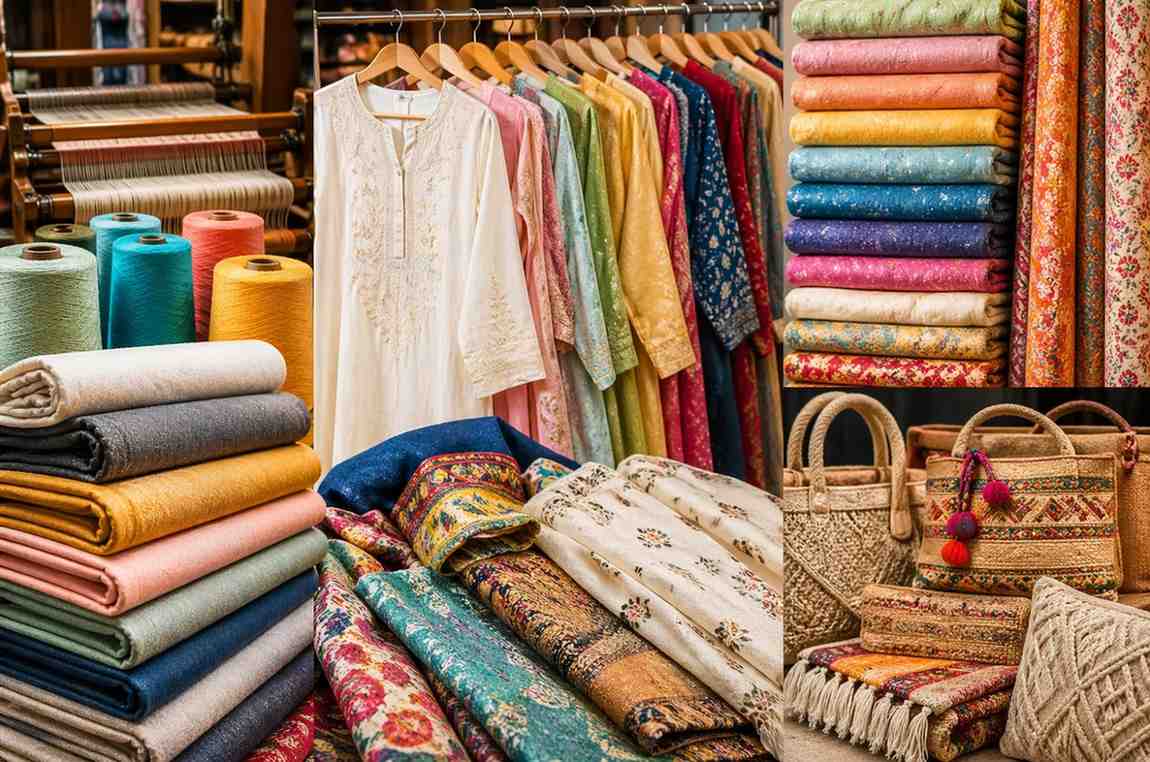
The India–New Zealand Free Trade Agreement is set to significantly strengthen India’s textile and apparel exports, offering zero-duty access across key categories and opening up new growth avenues in a high-value market.
Zero-duty access to drive export momentum
Under the FTA, Indian exporters are expected to benefit from zero-duty access for apparel, home textiles and handlooms. This move is likely to enhance price competitiveness, boost export volumes and create employment opportunities, particularly for women and youth engaged in the textile value chain.
Currently, New Zealand imposes duties of up to 10% on select textile and apparel categories, including carpets and man-made fibre (MMF) products. The removal of these tariffs is expected to lower costs for Indian exporters and improve market penetration.
High-income market offers strong demand potential
With a population of 5.3 million and a per capita income of around $52,000, New Zealand presents a lucrative opportunity for high-value textile exports. The country’s global imports stand at $0.33 billion for textiles, $1.27 billion for apparel and $0.33 billion for made-ups.
Apparel dominates the import basket, accounting for 65% of total imports. Key categories include casual wear such as jeans, T-shirts and hoodies, along with jackets, formal wear and sportswear. Cotton apparel leads with a 45% share, followed by MMF at 36%.
India’s exports show steady growth trend
India’s bilateral exports to New Zealand currently stand at $0.65 billion, with textiles contributing approximately $0.1 billion. Over the past decade, exports across apparel, made-ups, carpets, fibre, yarn and fabrics have shown consistent growth.
Potential high-growth segments include MMF-based apparel and made-ups, jute and linen products, wool fabrics, carpets, silk fibres and handicrafts. The FTA is expected to accelerate this momentum by improving access and competitiveness.
Opportunity for deeper industry collaboration
Beyond trade, the agreement opens doors for collaboration with design houses and fashion technology institutes in New Zealand. Industry stakeholders are also expected to leverage the pact by participating in international textile fairs and exhibitions to expand market reach.
Strategic boost for global value chain integration
The FTA is poised to strengthen India’s integration into global textile value chains, positioning the country as a competitive sourcing hub. With favourable demographics, expanding manufacturing capabilities and policy support, India’s textile sector stands to gain significantly from improved market access in New Zealand.