


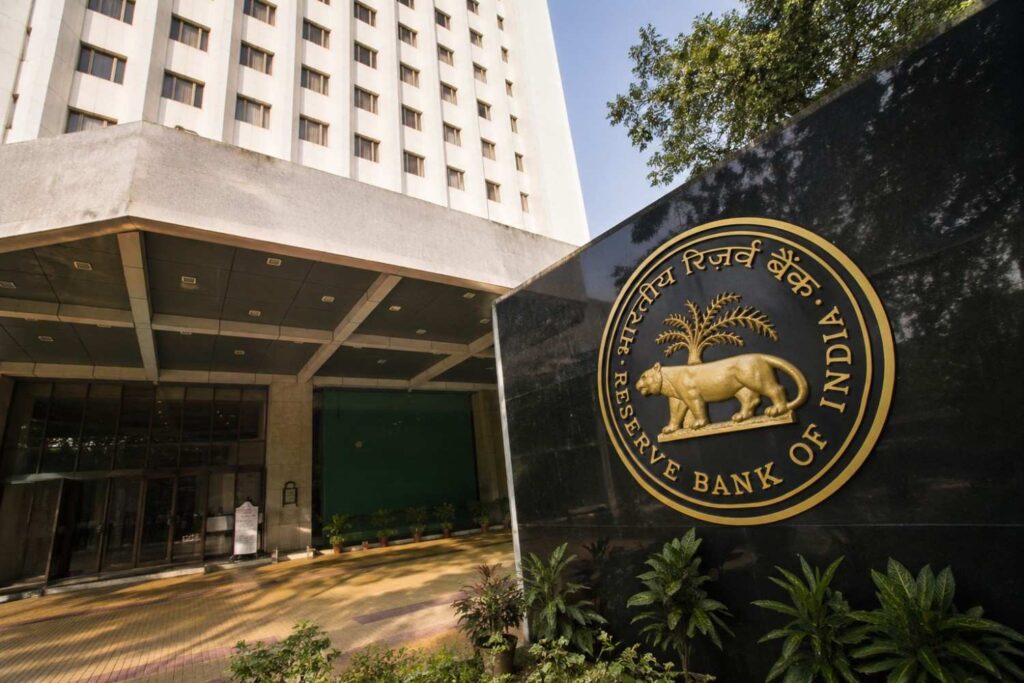
Reserve Bank of India (RBI) has introduced a significant regulatory relaxation for low-risk NBFCs, exempting those not availing public funds and without customer interface from registration and reserve fund requirements. The exemption will come into effect from July 1, 2026.
Eligibility criteria
The relaxation applies to NBFCs with an asset size of less than ₹1,000 crore, as per their latest audited balance sheet. These entities must operate on a long-term business model that excludes both public fund access and direct customer interaction.
Deregistration pathway
Existing eligible NBFCs, including those registered as Type I NBFCs, can apply for deregistration with the RBI within a six-month window ending December 31, 2026. Applications must be submitted through the PRAVAAH platform along with prescribed documentation, including financial statements, auditor certification, and board resolutions.
Compliance requirements
To qualify, companies must provide audited financials for the past three years, confirm the absence of public funds and customer interface, and commit to maintaining this status going forward. Board-level undertakings are mandatory, including provisions to seek re-registration if business models change.
Future eligibility and group norms
NBFCs that do not currently meet the criteria but may qualify in the future will also be eligible to apply for deregistration at that stage. However, in cases where multiple unregistered Type I NBFCs exist within a group, their combined asset size will be assessed. If it exceeds ₹1,000 crore, mandatory registration as a Type I NBFC will apply.
Oversight and safeguards
The RBI has retained strong supervisory oversight. Statutory auditors are required to submit exception reports in case of any breach of conditions related to public funds or customer interface. Additionally, entities must disclose their ‘Unregistered Type I NBFC’ status in financial statements.
Registration triggers
NBFCs with asset sizes of ₹1,000 crore or more, even without public funds or customer interface, must register as Type I NBFCs. Similarly, any entity intending to access public funds or engage with customers in the future must seek registration as a Type II NBFC.
Overseas investment clause
The central bank has clarified that unregistered Type I NBFCs intending to undertake overseas financial services investments must obtain registration and prior approval. Investments in non-financial overseas sectors remain restricted.
Limited exemption scope
The exemption is limited to specific provisions: Sections 45IA and 45IC of the RBI Act. These NBFCs will continue to fall under other regulatory provisions, and the RBI retains the authority to issue directions and take enforcement action in case of violations.
Regulatory intent
The move is aimed at reducing compliance burden for low-risk NBFCs while maintaining systemic oversight. With the introduction of a structured exemption framework and clear thresholds, the RBI is seeking to balance ease of doing business with financial stability.