


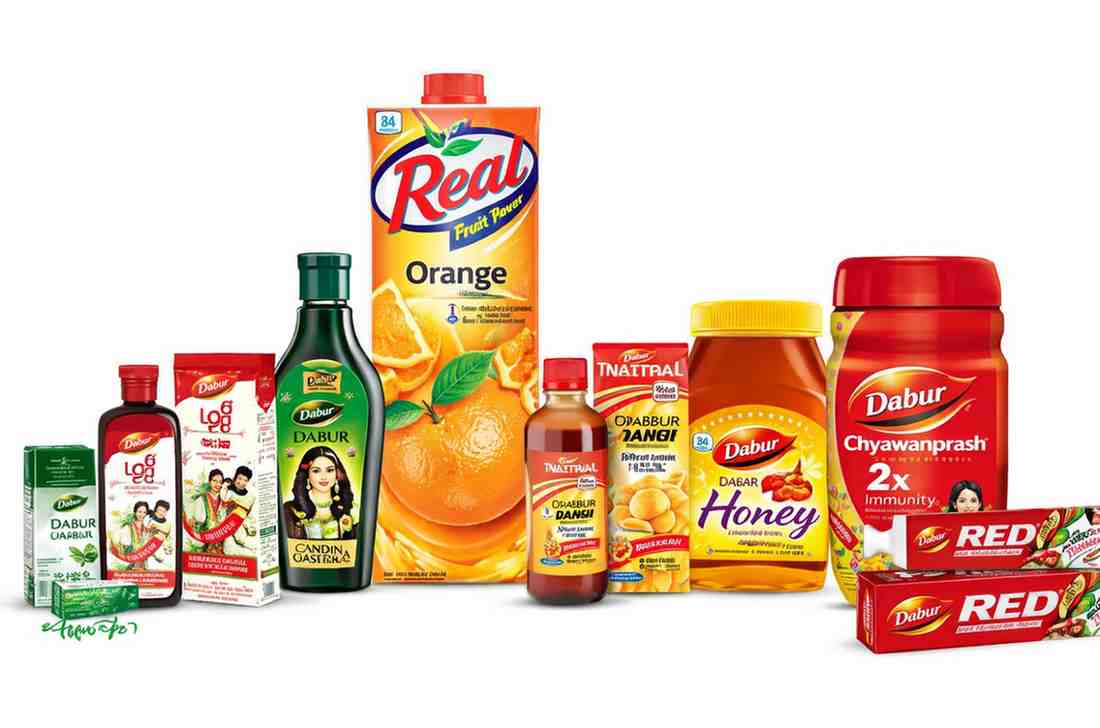
FMCG major Dabur India has indicated fresh price hikes and shrinkflation measures to counter rising inflationary pressures, while revising its India business growth guidance upward amid improving consumption trends.
Speaking during the company’s earnings call, Global Chief Executive Officer Mohit Malhotra said the company now expects “high single to low double-digit growth” in the India business, compared with its earlier guidance of high single-digit expansion.
The executive said the expected growth would be driven by a mix of volume gains and pricing actions, with nearly half of the growth likely to come from volume expansion and the remainder from price-led value growth.
Price hikes to offset inflation
Malhotra said the company is witnessing nearly 10% inflation in input costs and has already implemented price increases during the first quarter to mitigate the impact.
He added that a second round of price hikes could follow depending on how geopolitical conditions evolve, particularly amid continuing tensions in West Asia.
According to the company, larger product packs will witness direct price increases, while smaller packs in the ₹10 and ₹20 categories may undergo shrinkflation measures, wherein pack sizes are reduced instead of increasing sticker prices.
“We would want to mitigate all the inflation through price increases and improve the margins going forward,” Malhotra said during the call.
Margins take priority over advertising
The company said protecting profitability remains a key focus amid elevated inflation and supply chain volatility.
Malhotra said Dabur would prioritise margins over aggressive advertising spends if inflationary pressures persist, while continuing to focus on premiumisation, product mix improvements and cost-saving initiatives.
He noted that periods of high inflation generally lead to market consolidation, where larger companies strengthen their position while smaller players face pressure.
The company, however, said any savings generated through operational efficiencies could partly be redirected towards advertising and brand-building activities.
India business shows resilience
Dabur said demand conditions in India remained steady during the quarter, supported by consumption resilience and fiscal measures including direct and indirect tax rationalisation.
The company said rural markets continued to outperform urban markets, although the gap between the two segments has narrowed significantly.
Malhotra also highlighted sequential improvement in both urban and rural demand trends, expressing confidence in sustained recovery in the domestic business.
Hair care segment posts strong growth
The company’s Hair Care business, including hair oils and shampoos, recorded strong double-digit growth during the period.
Dabur said it continues to focus on premiumisation strategies and expansion into new-age offerings across the hair oils and shampoo categories.
West Asia tensions impact international business
The company said geopolitical developments in West Asia are significantly impacting its international operations through supply chain disruptions, inflationary pressures and weakening demand.
Malhotra said West Asia contributes nearly 30-35% of Dabur’s international business, making the region strategically important for the company.
He noted that supply chain disruptions have created operational challenges, while rising inflation and an exodus of expatriate workers from the region have adversely affected demand conditions.