


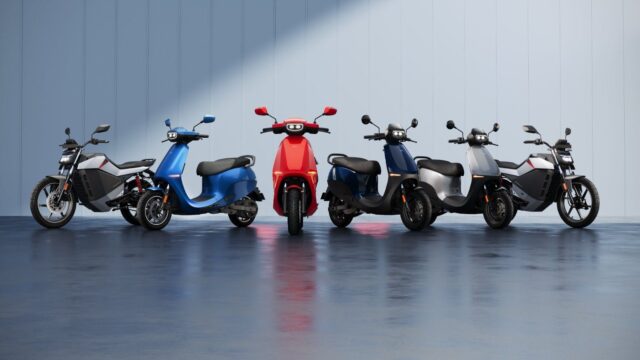
Ola Electric reported a sharp narrowing of losses in both the fourth quarter and the full year of FY26, as the electric two-wheeler maker cited improvements in gross margins, lower operating expenses, stabilising service operations and an early recovery in sales momentum.
The company posted a consolidated net loss of ₹500 crore in Q4 FY26, down 43% from ₹870 crore in the corresponding quarter of FY25. However, consolidated revenue from operations fell 57% year-on-year to ₹265 crore from ₹611 crore, reflecting lower sales volumes during the quarter.
For the full year FY26, Ola Electric reduced its consolidated net loss by nearly 19% to ₹1,833 crore compared with ₹2,276 crore in FY25. Consolidated revenue for the year declined 50% to ₹2,253 crore from ₹4,514 crore a year earlier.
Gross margins improve sharply
The company said Q4 FY26 was a “low-volume quarter”, but highlighted that its restructuring and operational reset measures had begun yielding results.
Consolidated gross margin rose sharply to 38.5% in Q4 FY26 from 13.7% in Q4 FY25 and 34.3% in Q3 FY26. Gross margin excluding Production Linked Incentive (PLI) benefits stood at 33.5%.
Auto gross margin came in at 38.3% in Q4 FY26 and 30.4% for the full year.
According to the company, the improvement was driven by vertical integration, the maturity of its Gen 3 platform, pricing optimisation and greater downstream control.
Operating expenses cut nearly in half
Ola Electric also undertook a significant cost reset during FY26.
Consolidated operating expenses, including lease rentals, declined nearly 49% to ₹428 crore in Q4 FY26 from ₹844 crore in the year-ago quarter. The company said it expects quarterly operating expenses to decline further towards ₹350 crore over the next few quarters as benefits of restructuring measures fully flow through.
An Ola Electric spokesperson said the company had strengthened business fundamentals across service, product quality, gross margins, operating costs, cash discipline, sales productivity and cell manufacturing during FY26.
“Q4 showed the reset working: gross margin reached 38.5%, operating cash flow turned positive for the first time, service materially stabilised, and sales recovery began,” the spokesperson said.
Service stabilisation aids recovery
The company said service-related issues had been the biggest constraint on demand and brand trust through FY26, but claimed the situation had now “materially stabilised”.
Following this, sales recovery began gathering pace. April registrations rose 20% month-on-month to 12,166 units, even as the broader electric two-wheeler industry declined by over 22%.
Ola Electric said growth was broad-based across states, with Uttar Pradesh, Bihar and West Bengal leading demand recovery.
The company also said its Roadster motorcycles were emerging as a second growth engine. Bikes accounted for 15% of April gross orders, while Ola Electric claimed a 50% market share in the electric motorcycle segment.
FY27 outlook
Looking ahead, Ola Electric said its FY27 priorities include volume recovery, sustaining service consistency, maintaining margin leadership, reducing operating costs, ramping up its Gigafactory and increasing adoption of its in-house battery cells.
The company expects Q1 FY27 deliveries to nearly double sequentially to around 45,000 units and said the auto business is moving towards adjusted operating EBITDA and free cash flow positivity through FY27.