


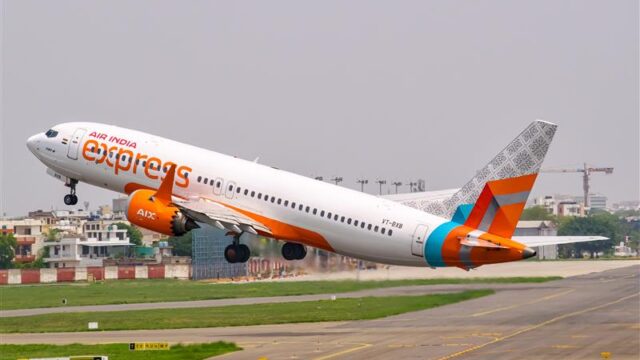
In a major relief measure for India’s aviation sector, the Union Cabinet has approved a one-time budgetary support of up to ₹10,000 crore for oil marketing companies (OMCs) to provide aviation turbine fuel (ATF) price stabilisation support to scheduled Indian airlines.
The move comes amid heightened fuel price volatility triggered by the ongoing West Asia crisis and is aimed at reducing uncertainty in airline operating costs, supporting fare stability and ensuring uninterrupted air connectivity.
₹10,000 crore support to cushion fuel shocks
The approved mechanism will enable OMCs to provide ATF price stabilisation support for both domestic and international operations of Indian carriers.
ATF is the single-largest cost component for airlines, typically accounting for nearly 40% of operating expenses. During periods of extreme fuel price volatility, its share can rise to as much as 60%, significantly impacting profitability, route planning and ticket pricing.
The government said the support mechanism will help create greater predictability in fuel costs while protecting passengers from sudden spikes in airfares.
Relief for airlines battling cost pressures
The aviation industry has been grappling with rising fuel costs following geopolitical tensions in West Asia, which have pushed up global energy prices.
By absorbing part of the financial burden through OMCs, the government aims to improve the financial resilience of airlines and reduce the risk of operational disruptions.
Industry observers believe the measure could help carriers maintain network expansion plans, protect margins and avoid passing the full impact of fuel inflation on to passengers.
Builds on earlier aviation support measures
Civil Aviation Minister Ram Mohan Naidu said the latest intervention follows a series of measures undertaken by the government to support the aviation ecosystem.
Earlier, nearly ₹5,000 crore was earmarked for airlines under the Emergency Credit Line Guarantee Scheme (ECLGS), providing liquidity support during challenging market conditions.
The minister said the newly approved interest-free support to OMCs would significantly reduce uncertainty around fuel costs and ultimately benefit passengers through lower fare pressures.
Previous steps helped moderate cost burden
The government has also taken several steps since the onset of the crisis to mitigate the impact of rising fuel prices.
These include capping the increase in domestic ATF base prices at 25% despite sharper increases in global fuel markets, reducing landing and parking charges for domestic airlines by 25%, and encouraging states to lower VAT on ATF.
The governments of Delhi and Maharashtra reduced VAT on ATF to 7%, a significant move given that nearly 75-80% of the country’s ATF consumption is sourced from airports in these two states.
Positive ripple effect across sectors
The aviation ministry expects the decision to generate benefits beyond airlines. Lower fuel cost volatility could support tourism, hospitality, trade and exports by helping maintain affordable air connectivity and reliable cargo services.
“The decision has been greatly appreciated by the aviation industry and beyond because of the huge cascading effect over other sectors like tourism, hospitality, trade and exports,” the minister said.
The measure is also expected to support high-value air cargo operations, which are critical for sectors such as pharmaceuticals, electronics and perishables.
Support mechanism to run for three years
The ATF price stabilisation support mechanism will remain operational for 36 months, subject to annual reviews, or until the entire advance amount is recovered and settled.
A monitoring committee comprising representatives from the Ministry of Civil Aviation, Ministry of Petroleum and Natural Gas, and Department of Expenditure will oversee implementation, claim verification and settlement processes.
The government said the initiative forms part of its broader efforts to strengthen the resilience of India’s aviation sector while supporting connectivity and economic growth under the Viksit Bharat 2047 vision.