


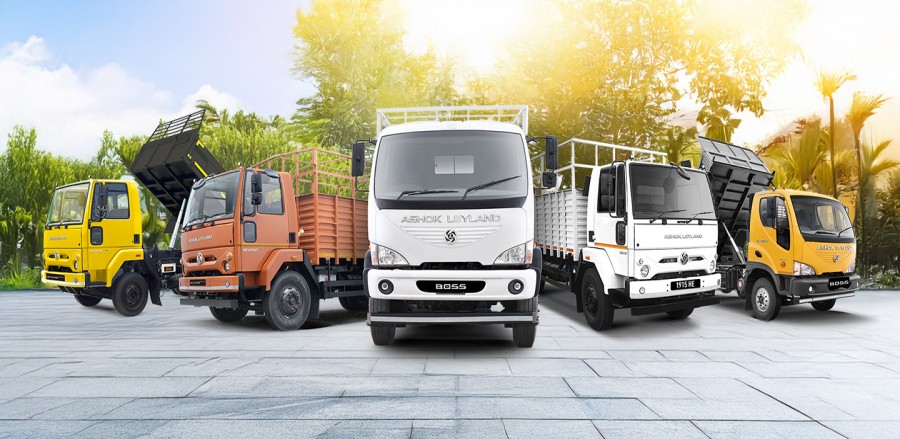
India’s commercial vehicle industry could be headed for a fresh replacement-cycle driven growth phase after the Union Cabinet approved a ₹9,585-crore fleet modernisation scheme aimed at replacing older trucks and buses in the Delhi-NCR region with cleaner BS-VI and electric vehicles.
The two-year programme, which targets more than 2 lakh commercial vehicles, combines financial incentives, tax concessions, fuel support and manufacturer discounts to accelerate the retirement of older, polluting vehicles. For commercial vehicle manufacturers, the scheme creates a sizeable opportunity to drive demand in a market that has witnessed cyclical slowdowns in recent years.
A replacement cycle with policy backing
The scheme covers approximately 2.07 lakh vehicles, including 1.91 lakh trucks and over 16,000 buses operating in Delhi, Haryana, Rajasthan and Uttar Pradesh within the NCR region.
Owners of BS-III and older vehicles will be required to scrap their vehicles, while BS-IV vehicle owners can either scrap them or sell them outside NCR in non-NCAP towns and cities. To avail benefits, owners must purchase BS-VI-compliant or electric vehicles and register them within NCR.
The policy effectively creates a structured replacement demand pipeline for truck and bus manufacturers at a time when the industry is seeking fresh growth triggers.
Why OEMs stand to gain
The commercial vehicle sector has long relied on replacement demand as a key growth driver. The latest scheme not only accelerates replacement decisions but also lowers the acquisition cost of new vehicles through multiple incentives.
Participating vehicle manufacturers will offer discounts of up to 8% on ex-showroom prices. Buyers will additionally receive interest subvention on loans for five years, fuel vouchers and substantial state-level tax concessions.
The combined benefits could significantly improve affordability for fleet operators, particularly small and medium transporters that often delay vehicle replacement due to capital constraints.
Tata Motors sees opportunity
Welcoming the decision, Tata Motors indicated that the initiative could accelerate fleet modernisation while supporting the transition towards cleaner mobility.
Tata Motors, MD & CEO, Girish Wagh, said the company was well-positioned to support the transition through its portfolio of BS-VI and zero-emission commercial vehicles as well as its network of Re.Wi.Re registered vehicle scrapping facilities.
The scheme could particularly benefit manufacturers that have already invested heavily in BS-VI and electric commercial vehicle platforms.
Scrappage ecosystem gets a boost
Beyond vehicle manufacturers, the programme is expected to strengthen India’s emerging vehicle scrappage industry.
Since BS-III and older vehicles must be dismantled through Registered Vehicle Scrapping Facilities, authorised scrappage operators could witness a surge in volumes. Manufacturers with integrated scrappage operations may benefit from both vehicle replacement sales and end-of-life vehicle processing.
The policy therefore creates opportunities across the entire commercial vehicle value chain, including OEMs, financiers, dealers, scrappage operators and fuel providers.
Pollution challenge driving policy action
The scheme is rooted in Delhi-NCR’s worsening air quality concerns. According to studies by ARAI and TERI, the transport sector contributes 14% of PM2.5 emissions, 40% of carbon monoxide emissions and 63% of nitrogen oxide emissions in the region.
Heavy commercial vehicles are a disproportionately large contributor. Trucks and buses account for 36% of PM2.5 emissions despite representing only 3% of the vehicle fleet.
Government estimates suggest that a single pre-BS vehicle can emit as much pollution as 14 BS-VI-compliant heavy vehicles, while a BS-IV vehicle emits nearly 2.7 times more pollutants than a BS-VI counterpart.
Electric trucks and buses get a policy push
While the scheme primarily supports cleaner BS-VI vehicles, it also provides a significant boost to commercial vehicle electrification.
In Delhi, new light goods vehicles purchased under the scheme must be electric, while buses must either be BS-VI CNG or electric. Additional lump-sum incentives are available for EV purchases.
This could accelerate adoption of electric commercial vehicles in urban logistics and public transport segments, where economics are steadily improving.
A template for other cities?
The larger significance of the scheme may lie beyond Delhi-NCR. If the programme successfully improves air quality while stimulating vehicle replacement demand, it could become a blueprint for similar initiatives in other polluted urban clusters across India.
For commercial vehicle manufacturers, that possibility could translate into a multi-year growth opportunity driven by regulation, sustainability goals and fleet modernisation.
With central and state governments jointly contributing more than ₹6,600 crore through direct funding and tax concessions, the scheme represents one of the most ambitious attempts yet to simultaneously tackle air pollution and accelerate renewal of India’s ageing commercial vehicle fleet.