


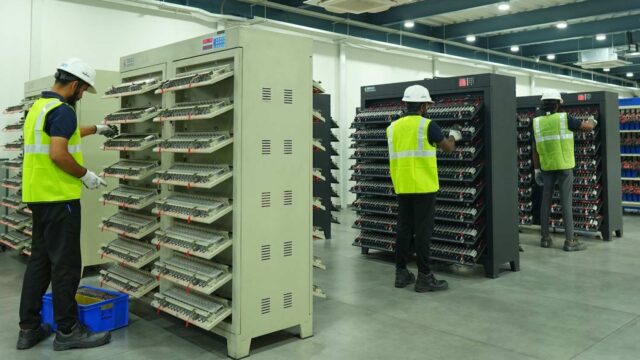
LICO Materials, an integrated battery circularity company and Ather Energy, leading electric two-wheeler manufacturer have partnered to establish a comprehensive ecosystem for collecting end-of-life lithium-ion batteries and recovering critical battery materials, a move aimed at strengthening India’s battery circularity and reducing dependence on imported minerals.
As part of the collaboration, end-of-life lithium-ion batteries from Ather’s electric two-wheelers will be processed at LICO Materials’ recycling facility in Karnataka. The recovered materials will be reintroduced into the battery supply chain for use by cell manufacturers and electric vehicle makers.
Building a circular battery economy
The partnership comes as India’s electric mobility market continues to expand rapidly, increasing the need for efficient systems to collect, recycle and recover materials from retired EV batteries.
The companies said the initiative will help create a circular supply chain for critical battery materials including lithium, nickel, cobalt, graphite and copper, reducing reliance on imports while improving resource security.
LICO Materials said its recycling facility is capable of recovering up to 95% of valuable materials from end-of-life battery packs, enabling them to be reused in manufacturing new batteries.
Reducing import dependence
India currently lacks domestic reserves of key battery minerals and depends heavily on global supply chains that are vulnerable to price fluctuations, geopolitical risks and environmental challenges associated with mining.
By recovering these materials from used batteries, the partnership aims to lower the country’s dependence on imported raw materials while supporting a more sustainable EV ecosystem.
Supporting India’s sustainability goals
The companies noted that battery recycling is expected to play a significant role in India’s clean mobility transition. By 2050, recycling is projected to meet more than 40% of the country’s lithium, nickel and cobalt requirements, create over 106,000 direct green jobs and prevent more than 2.9 million tonnes of carbon dioxide emissions.
The initiative also aligns with India’s Net Zero 2070 commitment and supports the implementation of the Battery Waste Management Rules, 2022, which mandate extended producer responsibility across the electric vehicle value chain.
Offering sustainable solution
LICO Materials CEO Gaurav Dolwani said India is building one of the world’s largest electric vehicle fleets without having domestic reserves of the minerals required for battery production.
He said battery circularity offers a sustainable solution by ensuring that minerals recovered from end-of-life batteries are fed back into the supply chain, helping reduce India’s dependence on imported critical materials.