


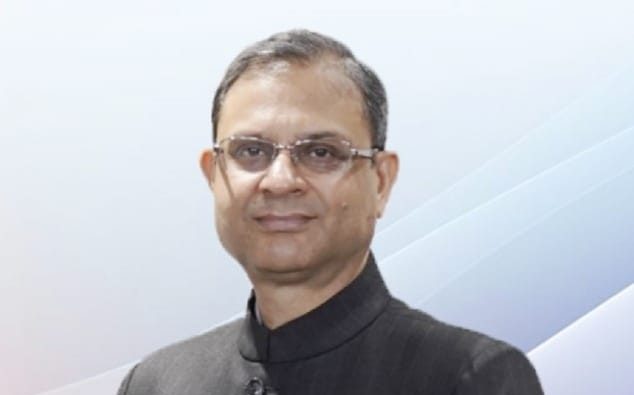
Reserve Bank of India (RBI) Governor Sanjay Malhotra has indicated that the central bank will refrain from any immediate policy action despite a projected rise in headline inflation, saying there is a need for greater clarity on the inflation trajectory before recalibrating interest rates.
Addressing the media after the Monetary Policy Committee (MPC) meeting, Malhotra said the expected increase in inflation is largely being driven by food and fuel prices rather than broad-based demand pressures, with core inflation continuing to remain moderate.
“There is a need for greater clarity to emerge, especially regarding inflation, its path and composition before taking any policy action,” he said, adding that any future move on policy rates would depend on the evolving growth-inflation dynamics and the normalisation of underlying inflation.
The MPC on Wednesday unanimously kept the repo rate unchanged at 5.25% while retaining its neutral policy stance.
Food and fuel remain the key concern
The RBI expects headline inflation to rise further in the coming months, peaking during the third quarter of FY27 before easing thereafter.
According to the Governor, the increase is primarily attributable to higher food and fuel prices, while core inflation excluding precious metals remains benign and shows little evidence of widespread pricing pressures across the economy.
The central bank also noted that inflation in the first quarter was marginally lower than its earlier projections, reflecting limited pass-through of higher input costs.
Global risks complicate policy outlook
Malhotra said the global economic environment has become increasingly uncertain due to renewed geopolitical tensions in West Asia, trade disruptions and persistent inflationary pressures.
The conflict in West Asia continues to disrupt key shipping routes and global supply chains, contributing to volatile crude oil prices, currency movements and financial markets.
Trade uncertainty has also intensified following fresh tariff measures imposed by the United States, while divergent monetary policy responses among global central banks have added to market volatility.
Although supply-side disruptions had eased somewhat after June, the renewed escalation of the conflict since early July has once again heightened uncertainty over energy prices and global logistics, the Governor noted.
Domestic economy remains resilient
Despite external headwinds, the RBI said India’s economy has continued to demonstrate resilience.
High-frequency indicators for the first quarter point to healthy domestic demand, with manufacturing activity supported by improving corporate earnings and expansionary purchasing managers’ indices (PMIs). The services sector has also maintained strong momentum, driven by robust consumer spending.
Private consumption continues to benefit from discretionary spending, while investment activity remains supported by sustained government expenditure on infrastructure, healthy capacity utilisation and robust bank credit growth.
India also recorded a rebound in merchandise exports alongside continued strength in services exports during the quarter.
Monsoon, El Niño remain key risks
The Governor, however, cautioned that the outlook for agriculture remains uncertain because of deficient and uneven southwest monsoon rainfall under El Niño conditions.
While reservoir levels remain close to normal, weak rainfall could affect agricultural output and rural demand. The RBI expects government initiatives such as crop diversification, climate-resilient farming and water conservation to cushion some of the impact.
Manufacturing may also face higher input costs due to global supply disruptions, although diversification of international supply chains could help reduce the impact.
External sector remains comfortable
The RBI said India’s external position remains relatively strong despite global uncertainties.
The current account deficit during FY26 remained well within sustainable levels for an emerging economy. During April-May 2026, India posted a current account surplus of US$2.8 billion, supported by robust services exports and strong inward remittances.
However, the merchandise trade deficit widened to US$86.6 billion in the first quarter of FY27 from US$68.7 billion a year earlier, largely due to higher imports of crude oil, electronic goods and gold.
The RBI expects bilateral trade agreements, including the India-UK Free Trade Agreement, along with continued strength in services exports and remittances, to help offset risks arising from slowing global trade and elevated energy prices.