


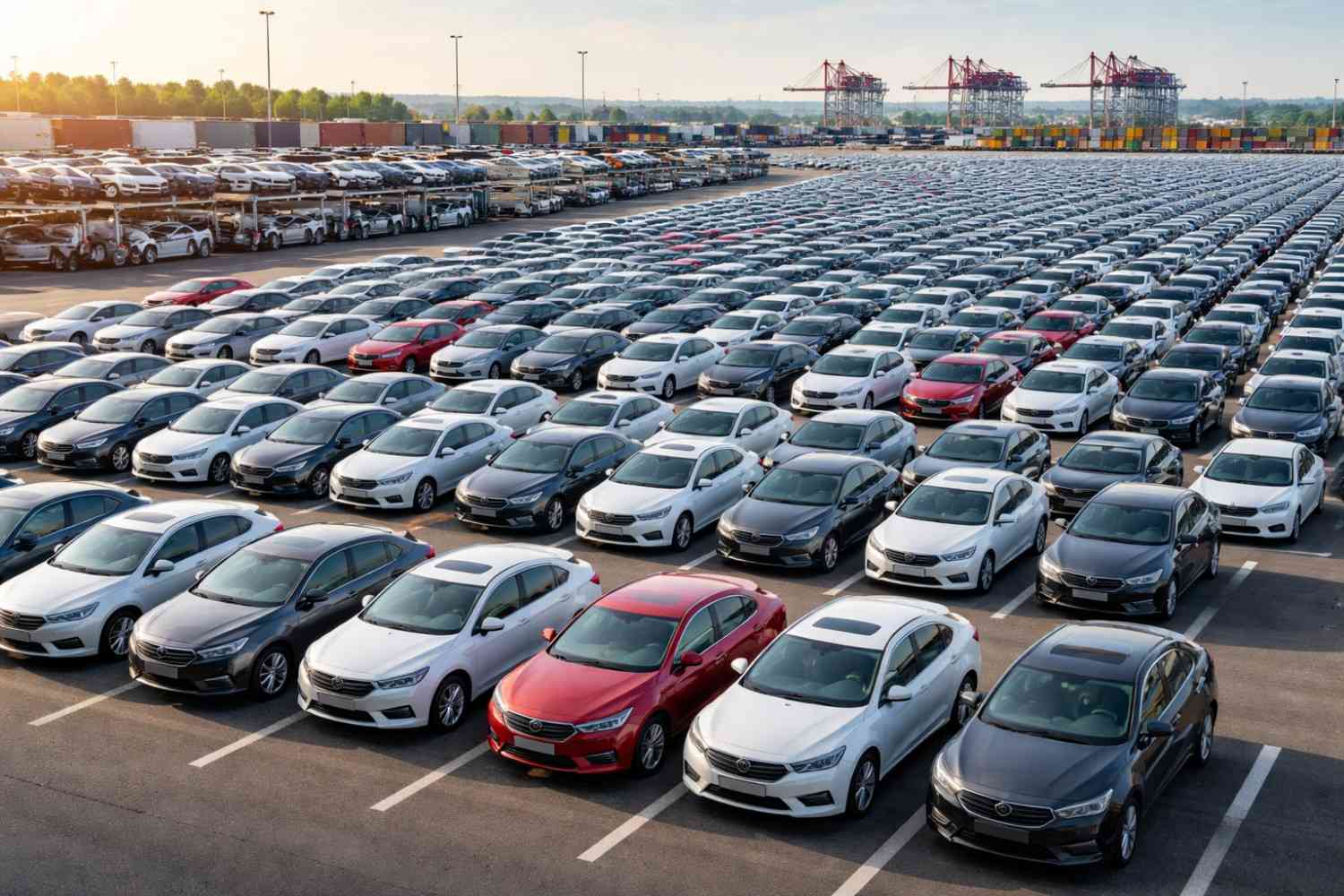
Domestic passenger vehicle (PV) dealers are expected to sustain strong growth of 10-12% this fiscal, supported by healthy demand, premiumisation and periodic price hikes by original equipment manufacturers (OEMs), according to a Crisil Ratings analysis of 102 PV dealers.
The growth outlook follows a 13% increase in dealer volumes last fiscal, when demand rebounded sharply in the second half after a sluggish first half. Continued volume growth, along with a rising contribution from ancillary businesses such as insurance, accessories, spares and servicing, is expected to improve profitability through better fixed-cost absorption.
PV volumes are projected to grow 8-10% this fiscal, with demand supported by rising disposable incomes, improving road infrastructure, lower interest rates, increasing vehicle penetration and growing ownership of multiple vehicles.
However, rural demand could moderate in the second half due to the potential impact of El Niño and higher fuel prices amid geopolitical tensions in West Asia. Crisil Ratings expects these challenges to be offset by the sector’s underlying structural growth drivers.
Premiumisation to lift dealer realisations
Consumer preference is increasingly shifting towards sport utility vehicles (SUVs) and larger models equipped with enhanced features. This premiumisation trend, combined with periodic OEM price increases, is expected to raise dealer realisations by 2-3% this fiscal.
The earnings mix of dealers is also improving, with ancillary income emerging as an important profitability driver.
Crisil Ratings Director Himank Sharma said, “The earnings mix of PV dealers is also improving. Sustained vehicle sales growth has expanded the base for ancillary income from insurance, accessories, spares and servicing.”
According to Crisil Ratings, ancillary businesses accounted for around 16% of dealer revenues in fiscal 2026, up about 200 basis points over the past three years. The share is expected to rise to 17-18% over the medium term.
Operating margins are consequently projected to improve to 3.5-3.7% this fiscal, following an expansion of around 20 basis points last fiscal.
EV expansion to keep capex elevated
PV dealers are planning sizeable investments over the next two to three fiscals to expand showroom networks and build capabilities for electric vehicles (EVs). The capex is expected to remain largely manageable because of stronger cash generation and improved working capital efficiency.
Inventory levels declined sharply to 30-35 days as of March 31, 2026, from 50-55 days a year earlier. Inventory is expected to remain around 30 days at the end of fiscal 2027, limiting incremental borrowing requirements.
Crisil Ratings Associate Director Rushabh Borkar said showroom expansion and OEM-led dedicated EV outlets would keep capex elevated.
Capex intensity, measured against EBITDA, is expected to rise to 40-42% this fiscal from an average of 38% over the past three fiscals. While a significant portion of the investments will be debt funded, stronger cash accruals and lower inventory requirements are expected to keep leverage comfortable.
Credit profiles expected to remain stable
Financial metrics of PV dealers are expected to strengthen in fiscal 2027. Gearing is projected at 1.0-1.1 times, compared with 1.15 times last fiscal, while interest coverage is expected to improve to 3.4-3.5 times from 3.0 times.
The combination of healthy PV demand, premiumisation, higher ancillary income and disciplined working capital is therefore expected to support both profitability and credit profiles, even as dealers step up investments in showroom expansion and EV infrastructure.