


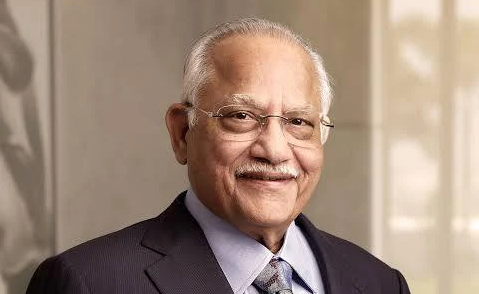
Apollo Hospitals is strengthening its AI-led healthcare capabilities as it seeks to build a more connected, predictive and personalised healthcare ecosystem, Apollo Hospitals Chairman and Founder Dr Prathap C Reddy, said.
In his message to shareholders in the company’s Annual Report 2026, Dr Reddy said Apollo is combining clinical leadership with what he described as the triad of “Intelligence, Intent and Impact” to create a more personalised path to better health.
The healthcare major has further expanded its artificial intelligence capabilities over the past year, with its proprietary Clinical Intelligence Engine evolving into a clinical decision-support platform.
Apollo’s cloud-enabled digital infrastructure, AI-powered radiology, intelligent diagnostic workflows and real-time clinical dashboards are also being deployed to improve clinical precision, operational efficiency and patient safety, he said.
Predicting risk, preserving health
Dr Reddy said the future of modern medicine lies not only in treating diseases but also in anticipating health risks before illnesses develop.
This approach is reflected in Apollo ProHealth, the group’s preventive healthcare programme. Powered by predictive analytics, the programme evaluates multiple health parameters to create a personalised risk profile for individuals.
According to Dr Reddy, the system can help identify silent health risks, including hidden cardiac conditions and pre-diabetic indicators, potentially years before they progress into chronic diseases.
“This approach empowers individuals to make informed decisions about their wellbeing while building a healthier and more resilient society,” he said.
Focus on complex care
Apollo is also strengthening its capabilities in complex clinical care across its Centres of Excellence, covering areas such as Cardiology, Oncology, Neurology, Gastroenterology, Orthopaedics and Transplants.
Dr Reddy said the ability to consistently deliver superior outcomes in complex clinical situations remains a key measure of healthcare excellence.
Apollo’s multidisciplinary approach, supported by globally benchmarked protocols and continuous innovation, is enabling the group to deliver outcomes comparable with leading healthcare institutions globally, he said.
The focus on clinical excellence has also strengthened Apollo’s position in medical value travel, with patients from more than 150 countries seeking treatment across its network.
Building connected healthcare
India, according to Dr Reddy, is at a defining point in its healthcare journey and has an opportunity to build an integrated, technology-enabled healthcare ecosystem rather than replicate fragmented models of care.
He said such an ecosystem can combine India’s strengths in clinical excellence, digital innovation, entrepreneurship and the ability to deliver healthcare at scale.
“This model has the potential to make world-class healthcare more accessible while establishing India as a global benchmark for patient-centric, integrated care,” Dr Reddy said.
Technology meets clinical expertise
Apollo is seeking to build an intelligent healthcare ecosystem by combining technology with clinical expertise, enabling caregivers to deliver evidence-based care with greater consistency and precision.
The integration of AI and digital technologies with clinical capabilities is aimed at ensuring patients receive consistent standards of care regardless of where they live or how they access Apollo’s healthcare services.
Dr Reddy said the group’s broader vision is to create healthcare that is connected, predictive and accessible, with technology serving as an enabler of clinical decision-making and better patient outcomes.