


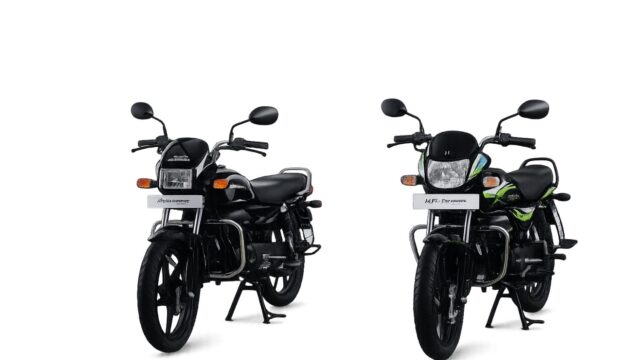
Flex-fuel vehicles could emerge as one of India’s most practical tools to cut oil imports, lower carbon emissions and create a fresh source of income for millions of farmers, as the country looks beyond conventional petrol and diesel-powered mobility. With ethanol blending already reaching 20%, policymakers are now betting on flex-fuel technology to unlock the next phase of India’s biofuel journey.
Hero MotoCorp recently unveiled what it described as India’s first flex-fuel motorcycles, introducing models capable of running on ethanol blends ranging from E20 to E85. The launch marks a significant milestone in India’s efforts to diversify its transportation fuel mix and reduce dependence on imported fossil fuels.
Flex-fuel mobility gains momentum
With an active two-wheeler fleet exceeding 300 million vehicles, India represents one of the world’s largest two-wheeler markets. Industry experts believe flex-fuel technology has the potential to transform mobility on a massive scale by leveraging existing vehicle and fuel distribution infrastructure.
The launch also comes at a time when India’s ethanol blending programme has achieved substantial progress. Ethanol blending in petrol has increased from just 1.5% in 2014 to 20% today, helping reduce fossil fuel consumption and supporting domestic biofuel production.
Reducing import dependence
India currently imports nearly 88.5% of its crude oil requirements, exposing the economy to global price volatility and geopolitical disruptions. Policymakers see flex-fuel vehicles as a practical pathway to reduce this dependence while strengthening domestic energy security.
According to government estimates, the ethanol blending programme since ESY 2014-15 has helped save ₹1.84 lakh crore in foreign exchange, substitute 302 lakh metric tonnes of crude oil and reduce carbon dioxide emissions by 909 lakh metric tonnes.
The programme has also generated an additional ₹1.58 lakh crore in earnings for farmers through increased demand for ethanol feedstock.
Significant economic impact
Government projections indicate that even if flex-fuel vehicles account for just 1% of annual petrol vehicle sales during ESY 2026-27, it could create demand for around 4 crore litres of ethanol.
Such demand would generate payments of approximately ₹266 crore to distilleries while saving nearly ₹195 crore in foreign exchange. It would also reduce crude oil imports by about 0.28 lakh metric tonnes and cut carbon emissions by around 0.86 lakh metric tonnes.
Importantly, nearly ₹160 crore from the value chain would flow directly to Indian farmers instead of being spent on imported crude oil, highlighting the technology’s potential to support rural incomes.
Alternative to battery-dependent mobility
Flex-fuel vehicles are increasingly being positioned as a complementary solution alongside electric vehicles, hydrogen and renewable energy technologies in India’s future mobility ecosystem.
Industry observers note that E85-compatible vehicles offer lower manufacturing costs and require minimal infrastructure investments compared with large-scale EV charging networks. The technology can also be rolled out significantly faster while relying on domestically produced biofuels.
Unlike battery-powered vehicles, which depend heavily on imported battery materials and components, flex-fuel vehicles utilise locally produced ethanol, supporting the government’s broader Atmanirbhar Bharat objectives.
Consumer economics remain critical
Experts believe large-scale adoption will depend on ensuring economic benefits for consumers. Studies suggest that if E85 fuel is priced meaningfully lower than E20 petrol, vehicle owners could recover any additional vehicle costs within about three years through fuel savings.
Supportive measures such as fuel pricing incentives and targeted policy support could accelerate adoption and improve affordability, helping position India as a global hub for flex-fuel mobility solutions.
Learning from global success
India’s E20 rollout followed extensive testing by automotive manufacturers, fuel companies and research agencies. Global markets such as Brazil have already demonstrated the viability of higher ethanol blends, providing a proven template for scaling flex-fuel mobility.
As the technology gains traction, policymakers and industry participants believe flex-fuel vehicles can play a crucial role in reducing oil imports, lowering emissions and creating sustainable economic opportunities for India’s farming community.