


PepsiCo has reported progress in embedding sustainability across its global and India operations, with initiatives spanning agriculture, water management, packaging, manufacturing, logistics and consumer products.
The company’s 2025 ESG performance update said PepsiCo has expanded regenerative, restorative and protective farming practices to 4.7 million acres across more than 60 countries. It has also achieved 100% water replenishment at company-owned facilities in high-water-risk areas and reduced virgin plastic use in primary packaging by 6%.
Focus on resilient agriculture
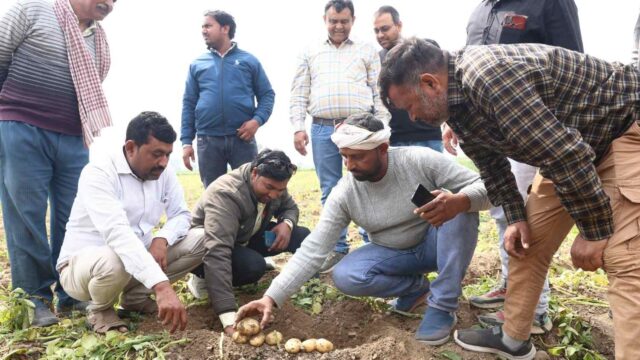
In India, PepsiCo engages with approximately 36,000 farmers across 14 states and sources 100% of its chip-grade potatoes locally.
The company has partnered with startups to deploy digital technologies across its farmer network. Its Mitti Didi initiative provides farmers with soil-health diagnostics and real-time farming insights, while the Lay’s Smart Farms programme, developed with Cropin, covers more than 18,000 mapped acres and provides insights to over 7,000 farmers.
Micro-irrigation has reached 100% adoption across potato farms in key sourcing regions, including more than 2,300 acres in Uttar Pradesh.
Water conservation gains
Water management remains another focus area for PepsiCo India. Through its Sustainable Water Resource Development and Management programme, the company replenishes more than 100% of water used at high-water-risk manufacturing facilities back into local watersheds.
The Pune manufacturing facility has reduced water utilisation by more than 90%. Globally, PepsiCo said it has replenished 23 billion litres of water to local ecosystems since 2010 and reached approximately 97 million people with safe water access.
Packaging and lower-carbon operations
PepsiCo India is also working to build a more circular value chain and complies with local Extended Producer Responsibility requirements across its foods and beverage businesses.
The company is redesigning packaging to reduce material use and improve recyclability, including mono-material and polyolefin-based structures for foods packaging. Select beverage products are also transitioning to 100% rPET bottles.
Biomass accounts for 97% of PepsiCo India’s fuel mix, supporting its efforts to reduce the carbon intensity of operations.
Electric mobility expands
PepsiCo India has introduced the Kosi–Pataudi EV Green Corridor in partnership with Kalyani Powertrain Limited and Vayudoot Road Carriers. The corridor currently operates with 13 32-foot electric container trucks and enables approximately 6 lakh electric kilometres annually.
The company has also retrofitted more than 800 vehicles, including distributor-linked last-mile delivery vehicles, as it expands cleaner mobility across its distribution network.
Portfolio evolves with consumers
PepsiCo said more than 50% of its beverage portfolio by volume in India is now low- or zero-sugar.
In convenient foods, the company has expanded offerings such as Red Rock Deli baked variants with 40% less fat and Kurkure Jowar Puffs, a millet-based product.
PepsiCo India & South Asia, Chief Corporate Affairs Officer and Sustainability Head, Yashika Singh, said, “PepsiCo Positive and our Partnership for Progress philosophy is about turning this interdependence into shared growth.”
PepsiCo, Chief Sustainability Officer, Jim Andrew, said, “We’re making significant progress — from expanding regenerative, restorative and protective practices to 4.7 million acres, reducing emissions of our operations, to evolving our product portfolio to offer more choices.”
PepsiCo said these initiatives are aimed at strengthening resilience across its food value chain while creating long-term value for the business, communities, consumers and the planet.