


India’s highways are set for a major technology leap with the rollout of the Multi-Lane Free Flow (MLFF) tolling system, a move that could redefine road travel by eliminating long queues at toll plazas and making highway journeys faster, greener and more efficient.
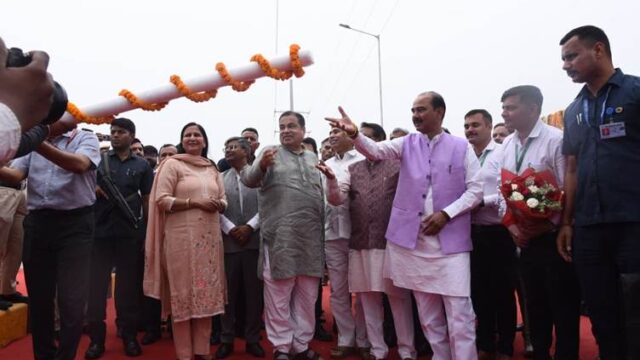
Union Minister for Road Transport and Highways Nitin Gadkari inaugurated the barrier-less toll plaza at Mundka–Bakkarwala on the Urban Extension Road-II (UER-II) in the National Capital Region (NCR), marking the beginning of a new era in digital highway infrastructure.
No more stopping at toll plazas
The MLFF system introduces a seamless, contactless tolling mechanism where vehicles can pass through tolling points without stopping. The technology combines Automatic Number Plate Recognition (ANPR) with FASTag-based Electronic Toll Collection, enabling automated toll deduction with minimal human intervention.
The move is expected to drastically reduce congestion on highways, particularly around busy toll plazas that often witness long waiting times and fuel wastage.
According to Gadkari, the barrier-free model will improve traffic flow, cut commuter delays and create a smoother travel experience for millions of highway users.
Big fuel and cost savings
The government estimates that the MLFF system could save nearly 250 crore litres of fuel annually while reducing around 81,000 tonnes of carbon emissions — a major boost for pollution control efforts, especially in Delhi-NCR.
The new system is also expected to deliver significant operational efficiencies. Toll collection expenditure, which earlier stood at nearly 15%, is projected to decline to just 3-4% under the MLFF framework.
This reduction could translate into annual savings of nearly ₹5,000-6,000 crore, strengthening the financial efficiency of India’s expanding highway network.
FASTag balance becomes crucial
Under the new system, commuters will need to ensure sufficient balance in their FASTag accounts for uninterrupted travel.
If a vehicle has insufficient balance, an invalid FASTag or a non-functional tag, the user will receive an electronic notice (E-Notice) for non-payment. The toll amount must be paid within 72 hours, failing which the user may be charged double the normal fee applicable for that vehicle category.
Users can also raise grievances within the same 72-hour window. Persistent non-payment may lead to FASTag blacklisting and restrictions on vehicle-related services through the VAHAN platform.
Gujarat pilot sets the stage
The latest launch follows the successful implementation of MLFF tolling earlier this month at the Chorayasi Toll Plaza on the Surat–Bharuch section of NH-48 in Gujarat.
The government sees the initiative as a key milestone in building a technology-driven, transparent and commuter-friendly National Highway network. Beyond reducing operational costs, the system is expected to strengthen toll transparency and improve overall highway efficiency across the country.
Towards smarter highways
With India aggressively modernising its road infrastructure, the MLFF rollout signals a broader shift towards intelligent transport systems powered by digital technology.
As the government pushes for world-class highways, the barrier-less tolling model could become a cornerstone of faster logistics movement, reduced environmental impact and enhanced commuter convenience, all critical ingredients for India’s next phase of infrastructure growth.