


Toyota Kirloskar Motor (TKM) has reaffirmed its focus on environmental sustainability, highlighting its use of renewable electricity, recycled water and biodiversity conservation as part of its environmental initiatives.
The company said it has been using 100% renewable electricity for its manufacturing operations since FY2021, helping reduce operational greenhouse gas emissions.
The initiatives are aligned with the Toyota Earth Charter and Toyota Environmental Challenge 2050. TKM said it is also pursuing energy efficiency through Kaizen initiatives, advanced technologies and cleaner fuels such as compressed biogas.
90% manufacturing water from recycling
Water stewardship is a key focus of TKM’s environmental programme. Through wastewater treatment and recycling systems, the company meets approximately 90% of its total manufacturing water requirements through recycled water.
TKM has also established a Zero Liquid Discharge (ZLD) facility, designed to improve water recovery and reduce freshwater consumption.
The company said its environmental initiatives extend to suppliers through Green Purchasing Guidelines and decarbonisation programmes aimed at encouraging sustainability across its value chain.
3.2 lakh saplings planted
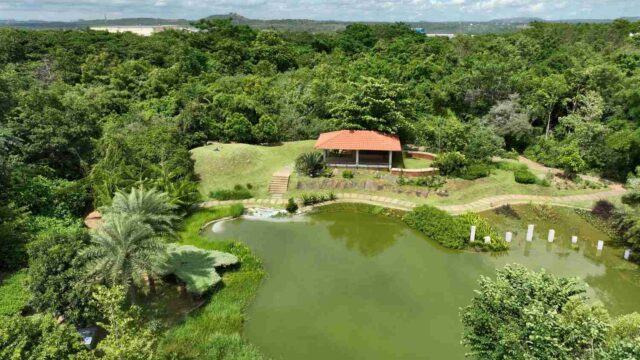
Biodiversity conservation is another area of focus for TKM. The company has planted more than 320,000 saplings within its premises and documented around 790 floral species and 490 faunal species on its campus.
Its conservation initiatives also extend beyond the manufacturing facility, with afforestation programmes at Bannerghatta National Park and the Police Training Centre in Channapatna.
TKM has also conducted environmental awareness programmes and eco-zone learning initiatives for students, employees and members of local communities.
Toyota Kirloskar Motor Senior Executive Vice President, Manufacturing, B. Padmanabha said environmental and public health challenges are increasingly interconnected.
“Every unit of renewable energy used, every litre of water conserved, and every tree protected contributes to a healthier ecosystem and better quality of life for future generations,” he said.
TKM said these initiatives form part of its longer-term efforts to integrate environmental considerations into manufacturing, supply-chain engagement, resource management and community programmes.