


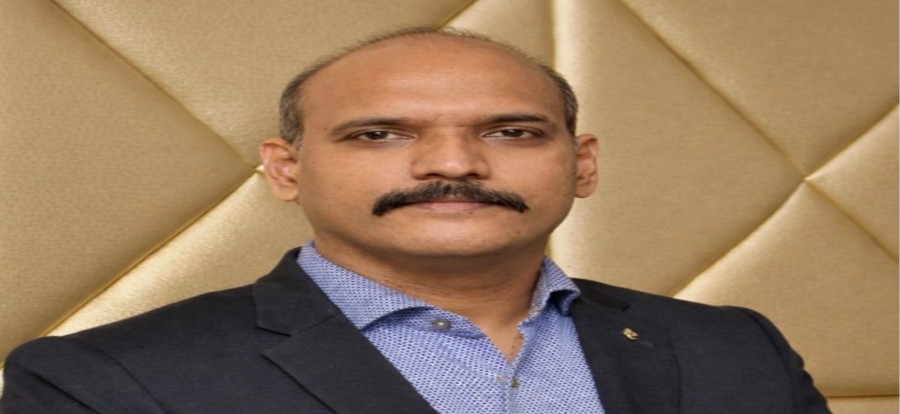
Five-Star Business Finance is in the final leg of resolving its asset quality challenges and behavioural stress in its loan book, with management indicating that growth acceleration will follow once the clean-up is fully stabilised, Chairman and Managing Director Lakshmipathy Deenadayalan said during the company’s Q3 conference call with analysts. The lender, which has been dealing with elevated stress in its loan portfolio over the past few quarters, is prioritising long-term stability over short-term recovery, focusing sharply on underwriting discipline and collections before stepping up disbursements.
Deenadayalan said the corrective measures taken across underwriting and collections over the last few quarters have started yielding results, particularly in the softer delinquency buckets. The proportion of current loans in the portfolio improved marginally to 81.77% in December from 81.67% in September, marking the first visible sign of stabilisation. While the improvement is small, management described it as a clear positive signal for portfolio health.
“We do not look for a short-term recovery. We want to be a long-term and fully recovered lender from this debt crisis and behavioural crisis,” he said, adding that the company is confident it is nearing the end of the corrective phase.
Five-Star’s focus on collections continued to reflect in stable efficiency metrics during Q3. Unique customer collection efficiency stood at 95.1% and overall collection efficiency at 96.6%, broadly unchanged from the previous quarter. These metrics are calculated conservatively by including the entire stock of Stage-3 or NPA loans.
Excluding NPAs, unique customer collection efficiency improved to 97.26% in Q3 from 96.5% in Q2. More importantly, collections from the current book, the most critical segment for any lender, rose to 99.01% from 98.5% in the previous quarter.
Management highlighted that these improvements were achieved without a significant expansion in the loan book, clearly indicating better performance in the softer buckets and signalling early revival.
While collections improved, slippages into Stage-3 or NPA remained slightly elevated, reflecting lingering stress among a section of borrowers. This led to a modest increase in NPA levels during the quarter. However, Deenadayalan said there are no fundamental concerns given the secured nature of Five-Star’s loan portfolio, expressing confidence that stressed accounts can be regularised or settled without principal loss through sustained collection efforts. Improvements are expected to become more visible from Q4 onwards.
During Q3, recoveries from NPAs and technical write-offs stood at ₹23 crore, and the company expects this healthy recovery trend to continue. Despite the elevated slippages, credit cost rose only marginally to 1.44% from 1.34% in Q2, reflecting adequate provisioning.
To maintain tight control over asset quality, Five-Star deliberately slowed down disbursements during the quarter, leading to moderated growth. Management reiterated that growth acceleration will follow only after collection processes and systems are fully stabilised. “Once we fix the problems, the next stage is just growing and accelerating growth,” Deenadayalan said, adding that guidance on growth may be provided in the coming quarters.
The company continued to invest in strengthening its collection infrastructure. During Q3, Five-Star added 35 branches and 678 business and collection officers. The number of collection officers rose sharply to 2,452 as of December, compared with 1,329 a year earlier. In parallel, Five-Star is building a dedicated, full-fledged collection vertical, extending up to senior leadership at the head office level. Management expects this to have a lasting positive impact on collections and asset quality.
Joint Managing Director and CFO Srikanth Gopalakrishnan said that while unsecured lenders began facing asset quality issues as early as the June quarter of FY25, Five-Star experienced stress later in the cycle. The company chose not to resort to aggressive book clean-ups, as management believes such actions adversely impact credit culture and borrower behaviour. Instead, Five-Star focused on sustained collection efforts, which are now beginning to show results. According to him, the stress cycle for Five-Star has played out over the last two to three quarters, and the institution is now nearing the end of corrective actions.
Five-Star continued to maintain a strong liquidity position. During Q3, the company raised ₹460 crore of incremental debt, against total sanctions of ₹1,225 crore, at an attractive all-inclusive cost of 8.19%. Additionally, Five-Star signed a loan agreement with the Asian Development Bank (ADB) for a $100 million facility, which will be drawn over the next few quarters.
Management reiterated confidence that Five-Star Business Finance will return to a normal growth trajectory over the next few quarters, with asset quality stabilisation and collection improvements firmly in place.