


India’s automobile retail sector has delivered one of its strongest February performances on record, underlining how policy stimulus and improving rural fundamentals are reshaping demand dynamics across segments.
According to data released by the Federation of Automobile Dealers Associations (FADA), total vehicle retails in February 2026 touched 24.09 lakh units, marking a robust 25.62% year-on-year growth. Notably, this performance came despite February being a shorter month, and it surpassed the previous best February recorded in 2024.
FADA President C S Vigneshwar described the month as a landmark for the sector, attributing the strong momentum to policy-led confidence following the GST 2.0 announcement and a broad-based revival in both personal mobility and economic activity-driven segments.
Broad-Based Surge Across Segments
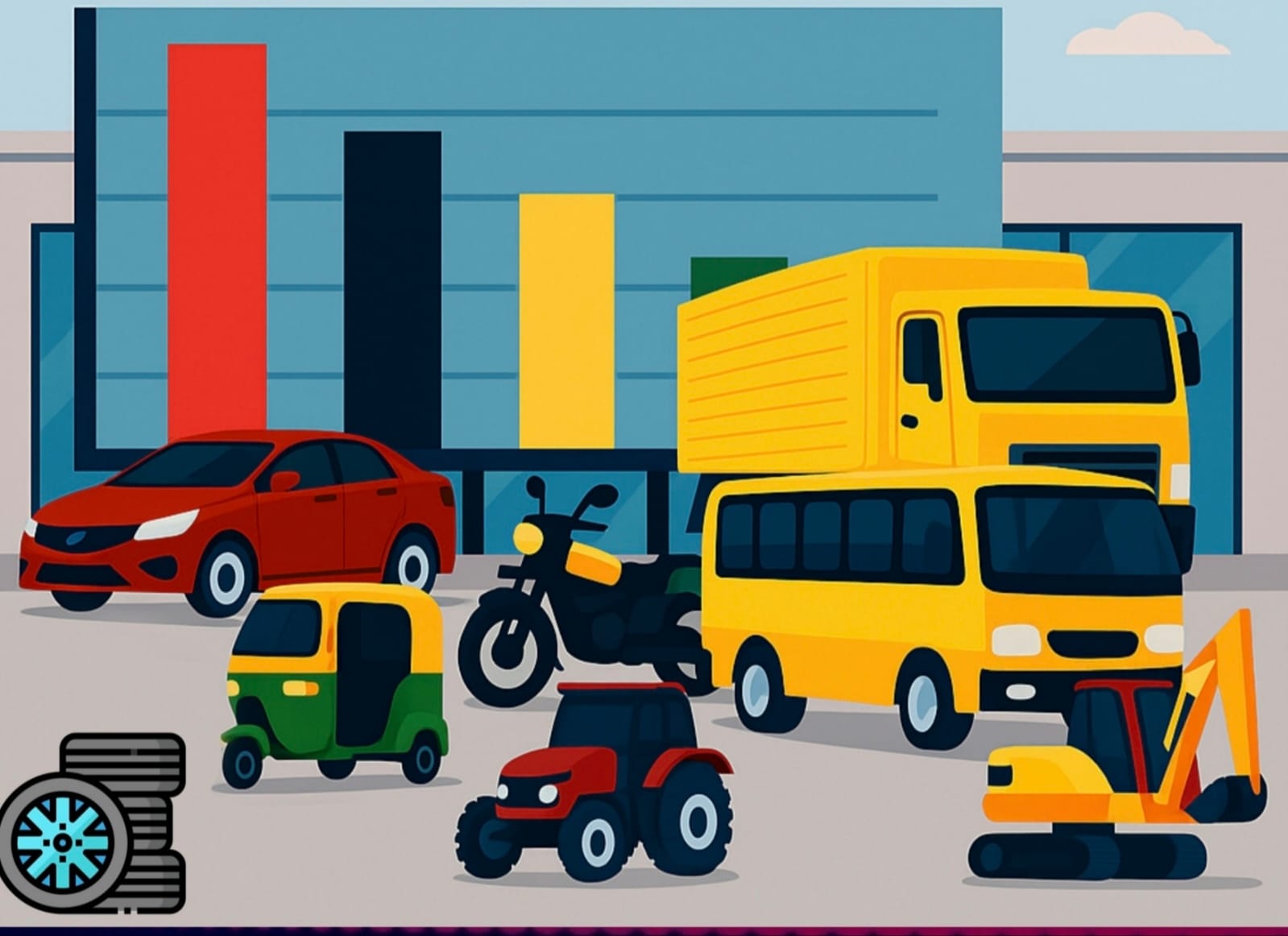
Five of the six vehicle categories, two-wheelers, three-wheelers, passenger vehicles, commercial vehicles and tractors, recorded their highest-ever February retail volumes.
Two-wheelers remained the volume backbone, clocking 17,00,505 units, up 25.02% YoY. The growth story was geographically balanced: Urban markets rose 28.96%, while rural markets expanded 22.16%. Improved rural liquidity after healthy crop outcomes, better affordability post GST rationalisation, aggressive marketing schemes, and marriage season demand all contributed to the surge. Some supply constraints and board examinations marginally moderated momentum in certain pockets.
Passenger vehicles (PVs) registered 3,94,768 units, up 26.12% YoY. Rural markets grew a sharp 34.21%, outpacing urban growth of 21.12%, signalling a meaningful expansion of demand beyond metros. The data suggests that while SUVs and utility vehicles continue to anchor volumes, improved rural sentiment is also reviving small car sales. Importantly, PV inventory levels have fallen to 27–29 days, closer to FADA’s recommended 21-day benchmark, indicating healthier supply discipline and better wholesale-retail alignment.
Commercial Vehicles (CVs) rose 28.89% YoY to 1,00,820 units, reflecting stronger freight availability, steady e-commerce demand and infrastructure-led fleet additions. The positive sentiment following GST 2.0 appears to have translated into secondary demand and bulk purchases, even as selective supply bottlenecks remain.
Tractors emerged as the fastest-growing segment, expanding 36.35% YoY, a strong indicator of buoyant rural incomes and agricultural confidence. The only segment that did not set a new February record was construction equipment, which saw a marginal 1.22% YoY decline.
Policy-Led Confidence Turning Into Real Demand
The February data reinforces a broader narrative: GST rationalisation is not just a sentiment booster but is translating into tangible retail conversions. Improved affordability, stronger rural cash flows and disciplined inventory management appear to be creating a virtuous cycle for dealers and OEMs alike.
The reduction in PV inventory days is particularly significant. In recent cycles, high stock levels have often preceded discounting pressures and margin compression. The current alignment suggests a more calibrated supply chain, which could help sustain profitability across the value chain.
March: Festive Tailwinds And Year-End Boost
Looking ahead to March 2026, dealer sentiment remains largely upbeat. About 75.51% of dealers expect growth, supported by a confluence of festivals including Navratri, Ramzan, Ugadi, Gudi Padwa and Eid, alongside the financial year-end buying cycle.
Two-wheelers are expected to benefit from post-examination demand, healthy agri incomes and strong booking pipelines. Passenger vehicles may see accelerated purchases driven by depreciation benefits and possible price revision concerns. Commercial vehicles are likely to maintain traction amid year-end business closures and infrastructure activity.
However, supply constraints in select models and evolving global geopolitical developments remain key variables to watch.
A Shift From Rebound To Normalised Growth
For the March–May 2026 period, optimism continues but is moderating. Around 67.35% of dealers expect growth, down from 79.70% in the earlier outlook survey. This indicates that while the sector remains on a growth path, expectations are normalising after the sharp post-GST 2.0 rebound and an exceptionally strong start to the calendar year.
Seasonal softness in April and May, summer slowdowns, elections in certain regions, fuel price volatility and global uncertainties could temper demand after the March peak. Nonetheless, infrastructure spending, freight movement and rural cash flows are expected to provide structural support.