


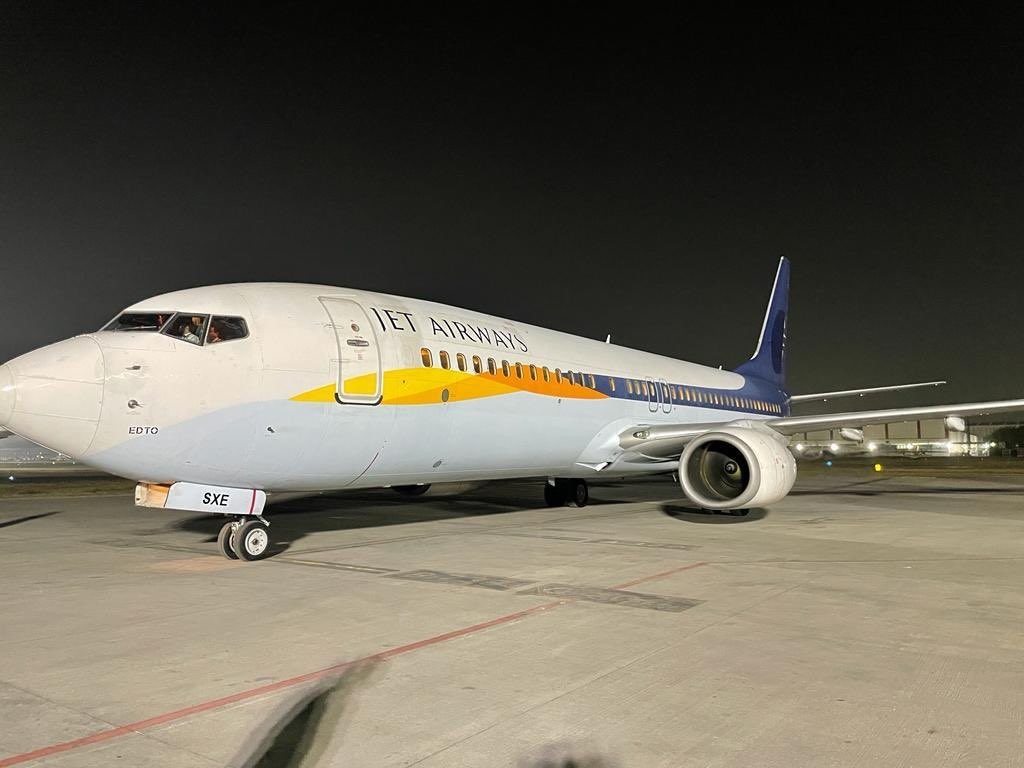
India’s fast-growing aviation market has witnessed a significant churn, with 11 airlines exiting operations since 2016. The exits were driven by a mix of financial stress, aircraft shortages, and internal operational challenges, underlining the structural vulnerabilities in an otherwise high-growth sector.
Among the most high-profile collapses were Kingfisher Airlines, Jet Airways, Go First, and TruJet.
Consolidation Wave Reshapes Industry
Even as failures mounted, the sector has undergone consolidation to build stronger, scalable entities. AirAsia India (now AIX Connect) has merged with Air India Express while Vistara has been integrated into Air India, the government informed the Rajya Sabha.
This consolidation reflects a strategic pivot towards operational efficiency, network strength, and financial sustainability.
Govt Stays Hands-Off On Commercial Decisions
The government reiterated that India’s aviation sector remains largely deregulated, with airlines operating on purely commercial considerations.
While promoting ease of doing business through simplified procedures and e-governance, the government maintains a non-interventionist stance in airline financial and operational decisions.
However, regulatory oversight continues through the Directorate General of Civil Aviation, which monitors airline preparedness and operational resilience.
UDAN, RDG Anchor Balanced Connectivity
To ensure balanced growth, the government is actively promoting regional connectivity under the UDAN Scheme and route dispersal guidelines (RDG) to connect underserved routes
Additionally, policies around traffic rights rationalisation, fleet induction, and infrastructure expansion are aimed at diversifying capacity and reducing systemic risks.
Airports Infra Push Gains Momentum
However, airport infrastructure continues to expand in line with passenger growth. The Airports Authority of India, along with private operators, is undertaking phased modernisation across key cities including Chennai, Udaipur, Varanasi, and Bagdogra.
Under the Greenfield Airports Policy, the government has granted in-principle approval for 25 new airports, of which 13 are already operational, a critical step towards decongesting metro hubs and boosting regional access.
Crowd Management Gets Smarter
At high-traffic airports, authorities are deploying technology-led and operational measures such as additional X-ray baggage systems, flexible terminal usage (swing operations) and better airline coordination during peak hours These steps aim to ensure smooth passenger movement amid rising air travel demand.