


India is targeting a sharp expansion in silk production, with the Government aiming to raise output to 60,000 metric tonnes by 2030-31 and position the country as the world’s largest silk producer by 2028-29, Union Textiles Minister Giriraj Singh said.
India’s silk production has increased from around 26,000 metric tonnes in 2014 to about 42,000 metric tonnes currently, reflecting the expansion of the country’s sericulture sector.
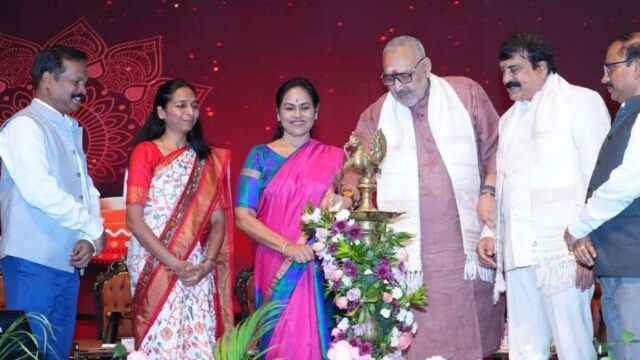
Inaugurating the 77th Foundation Day programme of the Central Silk Board and an exhibition of silk products and technologies at the UAS-GKVK auditorium in Bengaluru, Singh said the Government was committed to expanding the sericulture sector and improving the economic prospects of silk farmers.
The Government is also looking to increase the annual income of sericulture farmers to ₹10 lakh-₹12 lakh by improving the productivity of mulberry leaves and increasing the number of cocoon-rearing cycles, he said.
Focus on farmer incomes
Singh called for ‘Best Silk Farmer’ competitions at the district, state and national levels to encourage competition and promote better farming practices among sericulture farmers.
He also stressed the need to ensure that innovations developed by scientists, new hybrid varieties and modern machinery reach farmers directly.
According to the Minister, the global market is presenting an opportunity for Indian silk as China’s silk production declines while demand for Indian silk is increasing internationally.
Strengthening the silk value chain
The Government’s focus extends beyond cocoon production to strengthening the entire value chain, including sericulture, reeling and weaving.
Singh said strengthening this ecosystem would be important for expanding India’s textile market towards the $300 billion target while providing greater economic security to weavers and other workers dependent on the sector.
The Government’s strategy, therefore, combines higher production with productivity improvements, technology adoption and stronger market linkages, with the objective of increasing farmer incomes and strengthening India’s position in the global silk industry.