


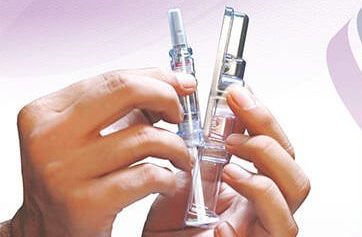
Zydus Lifesciences Ltd and Germany-based Formycon AG have received acceptance from the US Food and Drug Administration (USFDA) for review of their biologics licence application (BLA) for FYB206, a proposed biosimilar to Keytruda (pembrolizumab), the world’s bestselling biologic medicine.
The companies said the acceptance, following the application’s submission in the third quarter of 2026, was to the best of their knowledge the first publicly announced USFDA acceptance of an application for a Keytruda biosimilar.
The USFDA aims to complete its review within 12 months of submission under the Biosimilar User Fee Amendments (BsUFA). Based on this timeline, a regulatory decision on FYB206 could be expected in the third quarter of 2027.
The regulatory dossier for the proposed biosimilar has also been submitted to Health Canada, expanding the programme’s regulatory reach across North America.
The development marks an important milestone for Zydus as it seeks to strengthen its oncology portfolio and gain access to a market dominated by one of the pharmaceutical industry’s biggest revenue-generating medicines.
Keytruda’s multibillion-dollar market
Keytruda, developed by US pharmaceutical major Merck & Co., is an immunotherapy used to treat multiple types of cancer. Its active ingredient, pembrolizumab, belongs to a class of medicines called immune checkpoint inhibitors.
The drug works by binding to and blocking the PD-1 receptor, helping the body’s immune system recognise and attack cancer cells.
The commercial opportunity is substantial. Worldwide sales of Keytruda, including its subcutaneous formulation Keytruda Qlex, reached $31.7 billion in 2025. Combined sales of the two formulations totalled $16.40 billion in the first half of 2026.
The drug’s enormous sales base makes the development of biosimilar alternatives commercially significant, although the timing and extent of any market entry will depend on regulatory approval, intellectual property considerations and commercial arrangements.
A biosimilar is a biological medicine demonstrated to be highly similar to an already approved reference product, with no clinically meaningful differences in safety, purity and potency. Unlike conventional generic drugs, biosimilars are developed using complex biological processes.
Zydus targets wider access to oncology treatments
Zydus Lifesciences Ltd Managing Director Dr Sharvil P Patel said acceptance of the application marked a significant step towards expanding access to affordable pembrolizumab therapy in the US and Canada.
He said the proposed biosimilar could improve patient access to oncology treatments while strengthening Zydus’s oncology biosimilars portfolio.
The company plans to leverage Formycon’s expertise in biologics development and its own commercial capabilities in North America to bring the product to market, subject to regulatory approval.
For Zydus, the programme offers an opportunity to participate in the market for a high-value oncology biologic through a partnership rather than independently undertaking the entire development process.
Development strategy avoids Phase III efficacy trial
Formycon said the FYB206 development programme is progressing under a regulatory pathway agreed with the USFDA.
In February 2025, the company reached an agreement with the US regulator that FYB206 would not require a comparative Phase III efficacy trial.
According to Formycon, this approach enabled it to accelerate development and substantially reduce investment in the programme while maintaining the scientific standards required for biosimilar approval.
The absence of a comparative Phase III efficacy trial does not eliminate the need to establish biosimilarity. Regulatory approval will still depend on the FDA’s assessment of the submitted evidence and whether the product meets applicable requirements.
Formycon AG CEO Dr Stefan Glombitza said acceptance of the application placed the company among the first developers to advance a proposed biosimilar to Keytruda to this regulatory stage.
He said the partnership with Zydus combined Formycon’s development capabilities with a partner possessing commercial strengths and an established oncology strategy in the US and Canada.
Licensing agreement defines roles of both companies
Zydus and Formycon entered into an exclusive licensing and supply agreement for FYB206 in the US and Canada in December 2025.
Under the agreement, Formycon is responsible for completing development, preparing and submitting regulatory dossiers, and supplying the product. Zydus will commercialise the biosimilar in both markets, subject to regulatory approval and the resolution of any intellectual property issues.
The FDA’s acceptance of the application for review also represents a contractual milestone entitling Formycon to a milestone payment from Zydus.
Formycon retains global rights to FYB206 and will participate in the gross profits generated by its commercialisation partners.
The arrangement allows Formycon to retain an economic interest in the product while relying on Zydus to lead commercialisation in North America.
Regulatory approval remains the next hurdle
Although the application acceptance represents progress, it does not mean FYB206 has been approved for sale in the US.
The FDA must complete its assessment before the product can be marketed, while commercialisation will also depend on intellectual property considerations and the terms governing market entry.
If approved and launched, FYB206 would enter a potentially significant market for oncology biosimilars, given Keytruda’s global sales and its use across multiple cancer indications.
For Zydus and Formycon, the next critical milestone is the outcome of the regulatory review, currently expected in the third quarter of 2027 based on the standard review timeline outlined by the companies.