


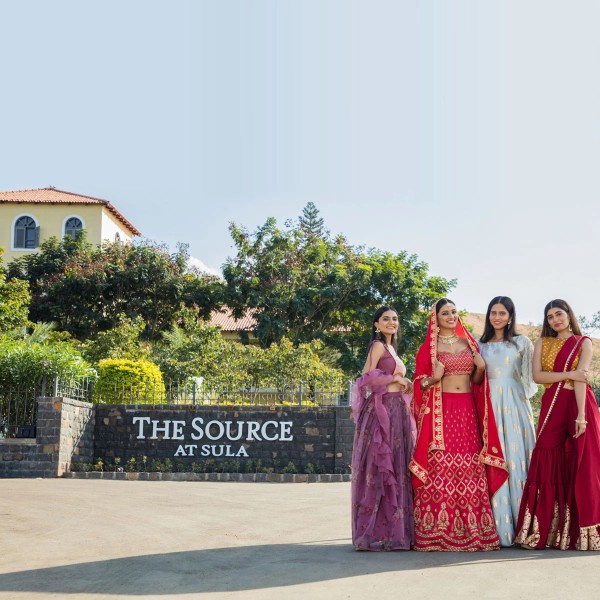
India’s largest wine producer, Sula Vineyards, has crossed a significant milestone in its hospitality and experiential business, with its Wine Tourism segment generating more than ₹100 crore in revenue for the first time in FY26.
The strong performance of the business helped support the company’s overall revenue growth, with Wine Tourism benefiting from higher visitor traffic, rising room revenues and increased spending per guest.
Wine tourism drives growth
Founder and CEO Rajeev Samant in a message to shareholders in Annual Report 2026 said the company’s Wine Tourism business delivered another year of robust double-digit growth during FY26.
The segment recorded an 11% year-on-year increase in footfalls, while room revenues grew 17%. Higher revenue per visitor also contributed to the segment’s strong performance.
The milestone comes as Sula continues to strengthen its positioning as a wine-and-hospitality destination, complementing its core wine business.
Third resort boosts capacity
A major highlight during the year was the launch of Sula’s third resort, The Haven by Sula, in the third quarter of FY26.
The new property increased the company’s room inventory by 50%, taking total capacity to 154 keys. Despite the significant expansion, occupancy remained healthy at 77% during FY26, broadly in line with the previous year.
Looking ahead, Sula plans to significantly expand its hospitality footprint. As part of that strategy, the company has signed a binding agreement to acquire Chandon’s 19-acre estate in Dindori, Nashik, which is expected to support future resort development and tourism offerings.
Cost rationalisation improves efficiency
He said strategic cost-control measures undertaken during FY26 delivered positive results, with operating expenses, including selling and distribution costs, declining 2% year-on-year.
The company intends to continue its cost rationalisation programme in FY27 and expects further reductions in operating costs.
On the balance sheet front, Sula maintained a healthy financial position, with Net Debt-to-EBITDA remaining below 3x. Net debt stood at ₹280 crore as of March 2026, compared with ₹284 crore a year earlier.
Management said further deleveraging will remain a key focus area in FY27.
Premium wines gain traction
Premiumisation continued to be a major growth driver for the company during FY26. The share of Elite and Premium wines in sales rose 140 basis points to 78.4%, reflecting increasing consumer preference for higher-value offerings.
He expanded its premium portfolio with the launch of three new labels, Sula Muscat Blanc, The Source Chardonnay and The Source Grenache Red. The additions take the total number of labels under The Source range to eight.
The Source portfolio remained a standout performer, recording growth of more than 25% year-on-year. Its contribution to Own Brands sales increased by 250 basis points to over 10%.
The company said it made significant progress in expanding national availability of The Source range and plans to further scale distribution during FY27.
Uttar Pradesh and Rajasthan emerge as key markets
Among regional markets, Uttar Pradesh and Rajasthan delivered strong double-digit growth during FY26.
Sula expects Uttar Pradesh to remain a major growth engine, supported by the state’s new excise policy, which is expected to significantly increase the number of retail licences.
The company also received preliminary approval from the Canteen Stores Department (CSD) for five additional wine listings, taking the total approved portfolio to 14 labels from nine earlier.
Sales through the CSD channel grew 21% during FY26 after listing expansion undertaken in late FY25. Sula expects the new listings to be introduced by the fourth quarter of FY27, providing an additional boost to sales momentum.
Consumer engagement remains strong
Sula continued to invest heavily in brand-building and consumer engagement initiatives during FY26. The company conducted more than 2.3 lakh on-ground wine tastings across its campuses and at major events nationwide. It also brought back SulaFest in a larger format, featuring popular artists including King and Nucleya, attracting over 10,000 attendees.
In addition, the company rolled out several consumer activation campaigns aimed at strengthening brand affinity and expanding its reach among wine enthusiasts.