


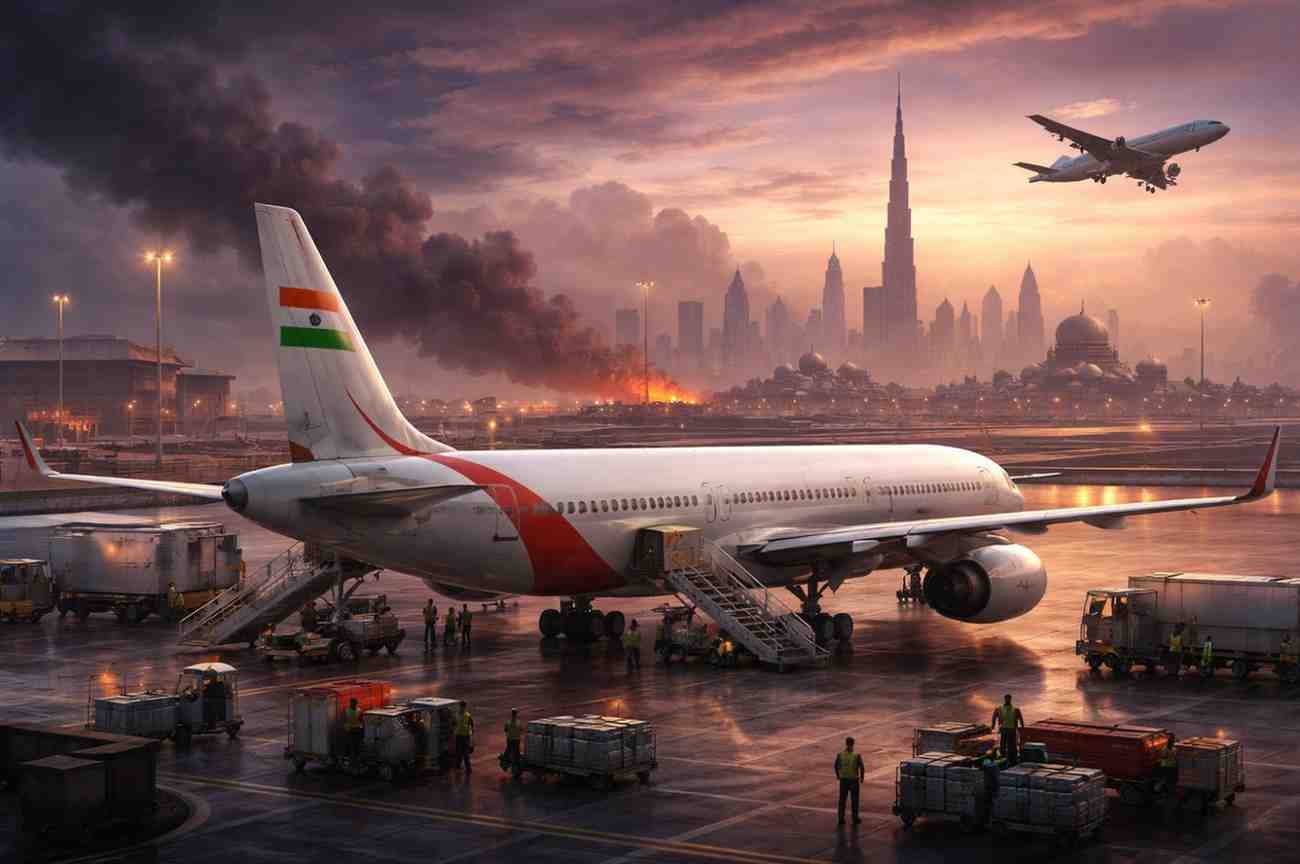
India’s domestic aviation sector is being actively insulated from the cascading effects of the ongoing West Asia crisis, as the government steps in with targeted relief measures to stabilise operations and protect passenger interests.
At a time when global aviation is reeling under unprecedented cost pressures, India’s calibrated response highlights a clear focus on maintaining sectoral resilience without derailing growth momentum.
Dual intervention strategy eases cost pressures
The ministry of civil aviation has adopted a calculated approach to cushion airlines from rising operational stress. Earlier, it capped the pass-through of aviation turbine fuel (ATF) price increases at 25% for domestic operations, despite global fuel costs witnessing a steep surge of over 100%. Building on this, the latest decision to reduce landing and parking charges by 25% for a three-month period directly targets another major cost centre for airlines.
This combination of fuel price moderation and airport charge reduction provides immediate financial relief, allowing carriers to manage costs without resorting to steep fare hikes.
Balancing airline viability with passenger affordability
The government’s intervention reflects a careful balancing act between sustaining airline viability and preserving affordability for passengers. By absorbing a portion of the cost escalation, the policy aims to prevent a sharp spike in airfares that could dampen demand in the domestic travel segment.
At a time when global route disruptions and fuel volatility are forcing airlines worldwide to recalibrate pricing, India’s domestic market is being shielded from extreme fluctuations, ensuring continuity in travel demand.
₹400 crore impact underlines immediate relief
The reduction in landing and parking charges is expected to translate into savings of around ₹400 crore for airlines over the three-month window. While this offers crucial short-term breathing space, the framework also ensures that airport operators remain financially protected, with provisions to adjust any under-recovery in future tariff cycles.
This reflects a structured approach where relief is extended without creating long-term distortions in the aviation ecosystem.
Aviation stability as a strategic priority
The latest measures reinforce the government’s broader intent to position domestic aviation as a stable and growth-oriented sector despite external shocks. By prioritising affordability, operational continuity, and stakeholder alignment, the intervention sends a strong signal of proactive governance.
As global uncertainties persist, India’s approach could serve as a model for balancing crisis management with long-term sectoral stability