


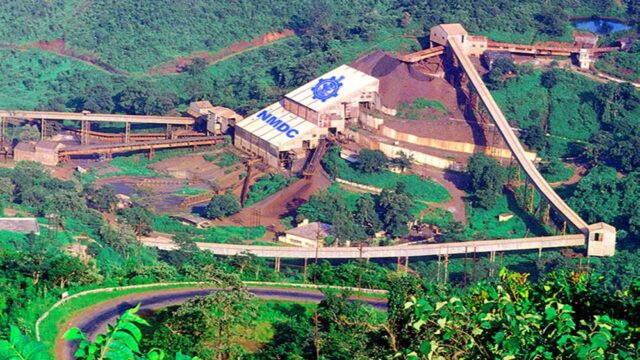
State-run iron ore producer NMDC Ltd has set a target to achieve net zero operational emissions by 2047, as the company looks to progressively reduce the carbon footprint of its mining operations and transition towards lower-carbon practices.
The target covers Scope 1 and Scope 2 emissions — direct emissions from fuel consumption and indirect emissions associated with purchased electricity, respectively.
Six-pronged decarbonisation strategy
Under its Net Zero roadmap, NMDC has identified six key strategies: energy efficiency, renewable energy integration, fleet electrification, low-carbon fuels, carbon capture, utilisation and storage (CCUS), and demand-side management.
The company has set an overall target of achieving a minimum 90% reduction in operational emissions as part of the pathway to net zero. The residual emissions are proposed to be addressed through offsetting measures as the roadmap progresses.
NMDC has already initiated measures to increase renewable energy use and reduce its dependence on conventional energy sources. These include a 10.5 MW wind energy facility at Chitradurga, along with solar power installations across its projects.
Logistics to support lower-carbon mining
The company’s decarbonisation plans extend beyond its direct mining operations to the logistics network used to transport iron ore.
The upcoming slurry pipeline project is expected to provide a lower-carbon downstream transportation option by reducing dependence on conventional transportation and associated warehousing requirements. Slurry pipelines can move processed ore over long distances with lower reliance on road-based transportation.
NMDC also plans to increase the movement of iron ore through rail freight, supported by the doubling of railway lines and other supply infrastructure being developed around its operations. Greater use of rail is expected to reduce the carbon intensity associated with mineral transportation.
Three-phase roadmap
NMDC has divided its Net Zero roadmap into three phases. The short-term phase covers FY 2026-27 to FY 2029-30, followed by the medium-term phase from FY 2030-31 to FY 2039-40. The long-term phase will run from FY 2040-41 to FY 2046-47.
Energy efficiency, renewable energy adoption and electrification are expected to form the core of the initial transition. Deeper decarbonisation measures and emerging technologies, including CCUS and low-carbon fuels, are expected to gain greater importance during the subsequent phases.
For an energy-intensive sector such as iron ore mining, the roadmap indicates that NMDC’s transition will involve changes not only in how mines are powered, but also in how mining equipment is fuelled and how ore is transported from mines to downstream markets