


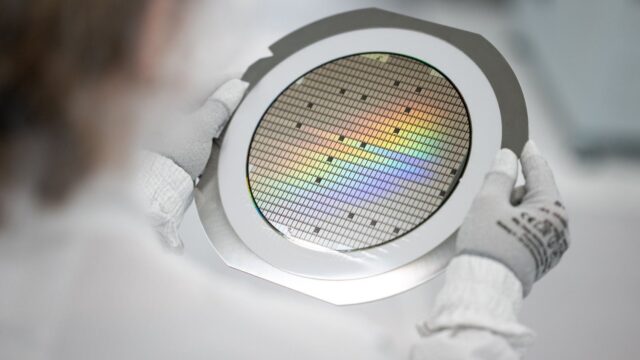
As India’s electric vehicle (EV) market moves beyond early adoption and enters a phase focused on scale, efficiency, and affordability, Bosch is bringing its latest third-generation Silicon Carbide (SiC) semiconductor technology to the country, aiming to enhance vehicle performance while supporting the development of a stronger local mobility ecosystem.
The company said its new generation of SiC semiconductors delivers approximately 20 per cent higher performance compared to previous generations, enabling EV manufacturers to improve driving range, battery utilisation, and overall energy efficiency.
Crucial for EV power electronics
Silicon carbide semiconductors play a critical role in EV power electronics, particularly in the inverter, where they regulate the flow of energy between the battery and electric motor. By reducing energy losses during power conversion, the chips help vehicles travel farther on the same battery capacity, lowering total cost of ownership for consumers.
“Our advanced SiC technology is designed to deliver the tangible benefits that Indian consumers demand, longer driving range, faster charging, and lower long-term costs. By making high-efficiency power electronics more accessible, we are helping to unlock the full potential of the EV market, making clean, efficient mobility a reality for everyone in India,” said Bosch Ltd Joint Managing Director and President of Bosch Mobility India, Sandeep Nelamangala. The introduction comes as India continues to accelerate its transition towards electric mobility, with policymakers and industry stakeholders focusing on localisation, advanced manufacturing, and the creation of a robust EV supply chain.
Delivered more than 60 million SiC chips globally
Bosch said it has already delivered more than 60 million SiC chips globally and continues to invest billions of euros in expanding its semiconductor manufacturing and development capabilities. The company believes its global expertise can support India’s ambitions in electrification while strengthening domestic ecosystem partnerships.
At the global level, Bosch is positioning itself as a major player in the fast-growing SiC semiconductor segment. Bosch Board of Management member and Chairman of the Bosch Mobility business sector, Markus Heyn said the company aims to become a leading global manufacturer of SiC chips.
“Our ambition is clear: we want to be a globally leading manufacturer of SiC chips. With our next generation SiC chips, we are helping our customers put even more powerful and efficient electric vehicles onto the road,” Heyn said.
According to Bosch, the third-generation SiC technology enables more compact and efficient power electronics by reducing energy losses, improving thermal performance, and lowering cooling requirements. The smaller chip design also allows more semiconductors to be produced from a single wafer, contributing to long-term cost efficiencies and wider adoption.
Benefits Beyond Premium EVs
Bosch noted that the efficiency gains delivered by advanced SiC semiconductors are increasingly relevant not only for premium electric vehicles but also for mass-market segments, where affordability, reliability, and energy efficiency remain key purchasing considerations.
By enabling lighter, more compact and efficient power electronics systems, the technology could help manufacturers reduce system complexity while improving vehicle performance, making advanced EV technologies more accessible to a broader customer base.
Supporting India’s EV Growth Story
With the launch of its Gen 3 SiC semiconductors in India, Bosch is seeking to align its semiconductor innovation with the evolving needs of the country’s mobility sector. The company believes the technology can play an important role in supporting the next phase of electric mobility growth by helping automakers deliver vehicles that are more efficient, scalable, and cost-effective.
As competition intensifies in India’s EV market, advancements in power electronics are expected to become a critical differentiator, with technologies such as SiC semiconductors helping improve vehicle range and performance while reducing operating costs for consumers.