


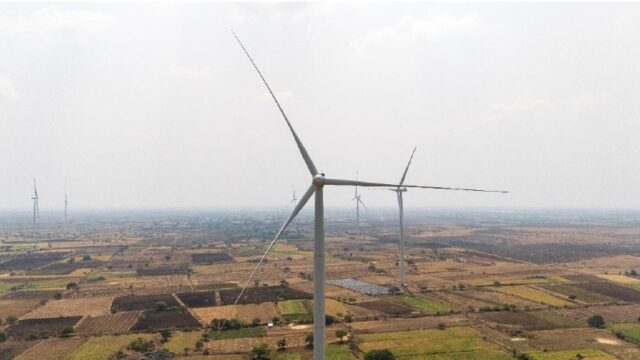
Tata Power Renewable Energy Ltd (TPREL), the renewable energy arm of Tata Power, has broken ground on an 800 MW renewable energy project in Andhra Pradesh, strengthening its clean energy portfolio while supporting India’s target of achieving 500 GW of non-fossil fuel capacity by 2030.
The project, being developed under the Andhra Pradesh Integrated Clean Energy (ICE) Policy, combines 400 MW of wind power at Kanekallu in Ananthapuram district and 400 MW of solar capacity at Pattikonda in Kurnool district.
The wind component will be developed by TPREL, while Suzlon will execute the engineering, procurement and construction (EPC) works, leveraging its expertise in wind turbine manufacturing and project execution.
Hybrid clean energy push
Of the 400 MW solar capacity, 200 MW will be developed as a Firm and Dispatchable Renewable Energy (FDRE) project for NTPC, integrating a Battery Energy Storage System (BESS) with a storage capacity of 25 MW/50 MWh to ensure reliable power supply. The remaining 200 MW solar capacity has been kept available for future allocation.
The project has secured 800 MW Inter-State Transmission System (ISTS) connectivity through the Ananthapuram II and Kurnool-4 CTUIL substations, enabling efficient evacuation of renewable power into the national grid.
Economic impact
Spread across 3,462 acres, including 2,700 acres for solar installations and 760 acres for wind development, the project is expected to generate annual lease rental income for landowners while creating around 4,000 direct and indirect jobs during construction and operational phases.
The investment is expected to provide a boost to Andhra Pradesh’s clean energy ambitions by attracting large-scale renewable investments and supporting sustainable industrial growth under the state’s ICE Policy.
Strengthening renewable portfolio
The latest project further expands TPREL’s renewable energy pipeline as the company pursues its long-term ambition of achieving 100% clean energy by 2045.
Tata Power’s renewable portfolio currently stands at 17.7 GW, including 9.8 GW under construction, making it one of India’s largest clean energy developers.
The addition of hybrid renewable capacity, backed by battery storage, reflects the industry’s growing focus on improving grid reliability while accelerating the transition towards cleaner sources of power.