


India remains firmly on the path of fiscal consolidation, tax reforms, including the implementation of GST, have improved revenue buoyancy, while targeted government spending has enhanced the quality of expenditure and reduced revenue spending as a share of GDP.
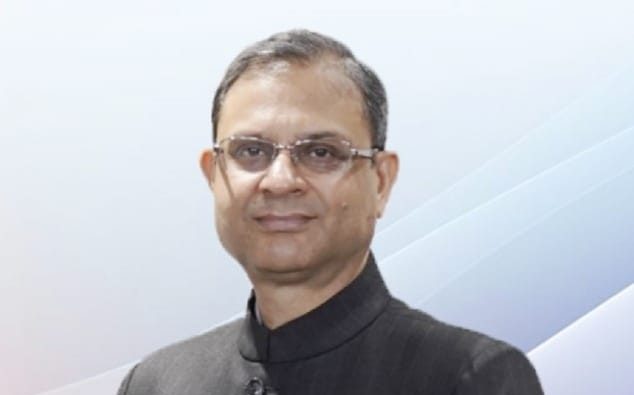
Delivering the keynote address at the FIMMDA-PDAI Annual Conference in Amsterdam, on May 1, Reserve Bank of India Governor Sanjay Malhotra said India’s macro-economic and macro-financial fundamentals remain strong, supported by continued focus on policy certainty, price stability and financial stability.
Financial sector transformation strengthens economy
The Governor noted that India’s banking and NBFC sectors have undergone significant transformation in recent years. Balance sheets have strengthened considerably, supported by improved capital adequacy, better asset quality, and higher profitability.
Corporate balance sheets have also seen improvement, aided by stronger earnings and sustained fund mobilisation through public markets, particularly corporate bonds.
External sector remains stable
On the external front, Malhotra underscored that India’s position remains comfortable. Foreign exchange reserves provide an import cover of around 11 months, while the current account deficit remains sustainable despite pressures from elevated energy prices.
He added that recent trade agreements are expected to offset some of these pressures. Encouraging gross FDI inflows, especially in finance and technology sectors, along with moderating capital outflows, are likely to support the capital account.
Strong growth momentum continues
Highlighting India’s growth trajectory, the RBI Governor said the country has consistently been among the fastest-growing major economies since the pandemic.
Robust domestic demand, driven by consumption and public investment, has sustained growth momentum. India recorded an average growth of 8.2% between 2021 and 2025, with 7.6% estimated for FY26 and 6.9% projected for FY27.
Inflation remains within target band
Inflation, though subject to supply shocks, has largely stayed within the tolerance band under the flexible inflation targeting framework. Malhotra noted that headline inflation has recently remained below the 4% target, with an average CPI inflation of 4.6% projected for FY27, reflecting improved anchoring of inflation expectations.
Global headwinds pose risks
The Governor cautioned that rising geopolitical tensions, especially in West Asia, along with higher energy prices and supply chain disruptions, pose risks to global and domestic growth.
He also flagged concerns around geo-economic fragmentation, elevated global public debt, and the rapid expansion of private credit markets, which could introduce systemic risks.
AI and financial market shifts add uncertainty
Malhotra pointed to artificial intelligence as an emerging source of uncertainty, citing questions around productivity gains, business viability, and employment impact. Additionally, evolving financial market dynamics and interconnected risks require close monitoring.
Scope to deepen financial markets
While acknowledging progress in strengthening financial markets, the RBI Governor outlined key areas for improvement. These include enhancing liquidity in government securities across tenors, diversifying OTC derivatives markets, enabling Indian banks to act as global market-makers, increasing adoption of FX retail platforms, and developing the credit derivatives market.