


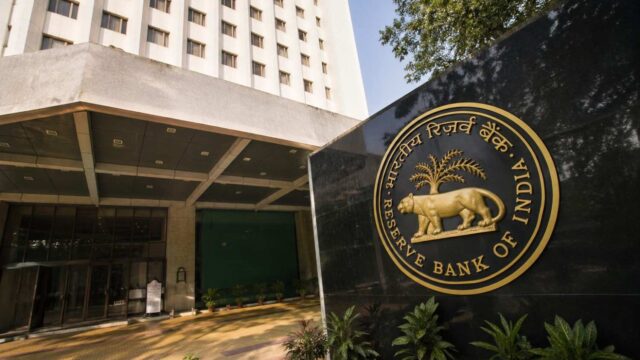
The Reserve Bank of India (RBI) has proposed a harmonised regulatory framework for interest rates on loans and advances across regulated entities (REs), covering both fixed-rate and floating-rate loans.
The central bank has issued the draft Reserve Bank of India (Interest Rates on Loans and Advances) Directions, 2026 for public consultation, following its announcement in the Statement on Developmental and Regulatory Policies dated August 5, 2026.
The proposed framework aims to improve monetary policy transmission, ensure appropriate pricing of credit risk and promote fair and non-discriminatory treatment of borrowers.
One framework for regulated entities
Currently, interest-rate regulations for advances are primarily applicable to commercial banks, including Small Finance Banks and Local Area Banks. These cover internal and external benchmark-based lending frameworks for floating-rate loans and the determination of spreads over such benchmarks.
For other regulated entities, including Non-Banking Financial Companies (NBFCs), All India Financial Institutions, Regional Rural Banks, Urban Cooperative Banks and Rural Cooperative Banks, existing instructions on loan interest rates are largely focused on conduct-related aspects.
The RBI has also observed divergent practices among commercial banks in certain areas, including the determination of the Marginal Cost of Funds based Lending Rate (MCLR) and its components.
The existing regulatory framework also has limited provisions governing fixed-rate loans.
Principles-based approach proposed
Against this backdrop, the RBI has proposed issuing harmonised directions applicable to all regulated entities.
The proposed framework will prescribe a broad, principles-based approach for determining interest rates on both fixed-rate and floating-rate loans. The framework is proposed to be commensurate with the nature, complexity and scale of operations of individual regulated entities.
The draft directions issued for consultation are applicable to all regulated entities. Following examination of feedback, the RBI will issue final directions separately for each category of regulated entity.
Public comments invited
The RBI has invited regulated entities, stakeholders and members of the public to submit their comments and feedback on the draft directions by September 11, 2026.
Feedback can be submitted through the ‘Connect 2 Regulate’ section on the RBI website or by email with the subject line ‘Feedback on (full name of the draft Amendment Directions)’.
The proposed framework could mark a significant shift towards a more consistent regulatory approach to loan pricing across India’s banking and financial services ecosystem, while retaining flexibility based on the size and complexity of different regulated entities.