


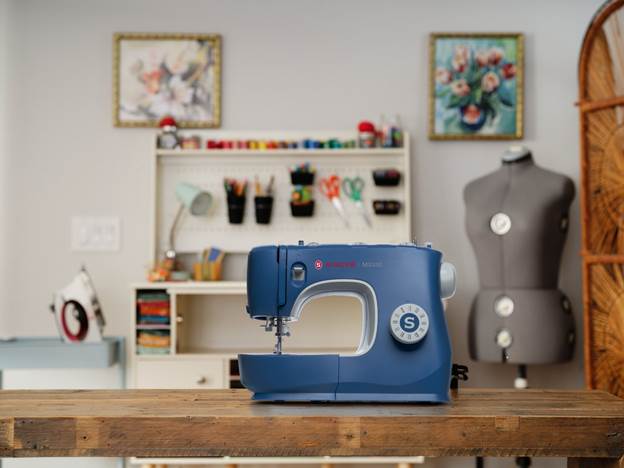
Singer India Ltd will commence commercial manufacturing and assembly operations at its new manufacturing facility in Bhiwadi, Rajasthan, from November 23, 2026, as part of a capacity expansion programme aimed at strengthening its domestic manufacturing capabilities and broadening its home appliances portfolio.
The new facility, located at RIICO Industrial Area, Ghatal, Bhiwadi, in Khairthal-Tijara district, will have a proposed additional production capacity of 13.08 lakh units annually, comprising 9.48 lakh sewing machines and 3.6 lakh units of home appliances and fans.
The expansion will be implemented over two to three years, with an initial investment of ₹11 crore, excluding expenditure on land and buildings. The investment will be funded through internal resources and equity.
Sewing machines account for bulk of proposed capacity
The proposed expansion is significant against the company’s existing annual manufacturing capacity of 6.3 lakh units. However, the utilisation of the existing facility currently stands at 22%, indicating considerable unutilised capacity.
The Bhiwadi facility will substantially expand Singer India’s manufacturing footprint, particularly in sewing machines, while creating additional capacity in home appliances and fans.
The company said the sewing machine capacity expansion was aligned with the government’s Make in India initiative and its strategy to strengthen domestic manufacturing across product categories.
Push to home appliances and fans business
The additional capacity for home appliances and fans is intended to support the development of new product ranges and scale up the company’s recently launched fans business.
The assembly operations at the new facility are expected to help Singer India address growing business requirements and introduce differentiated products to the market.
Bhiwadi to emerge as manufacturing and R&D hub
Beyond capacity addition, Singer India expects the Bhiwadi facility to provide strategic advantages by bringing manufacturing operations closer to its engineering and research and development functions.
The co-location is expected to improve cross-functional collaboration, accelerate product development and enable quicker introduction of new models and technologies.
The company believes the integrated manufacturing and engineering ecosystem will help shorten product development cycles and time-to-market.